EXPLAINER
Ex-DRC President Kabila’s alliance with M23 risks fragile peace talks
Kabila’s move confirms numerous accusations from the government in Kinshasa of his ties to armed rebels.

Kabila’s move confirms numerous accusations from the government in Kinshasa of his ties to armed rebels.


Massive US military deployment to the Middle East includes 50,000 troops, F-35s and Marines to pressure Tehran.
Qatar’s top diplomat says Israel has undermined Doha’s efforts to broker a ceasefire in Gaza from ‘day one’.
Both sides remain interested in a diplomatic settlement but differ on how to achieve one.
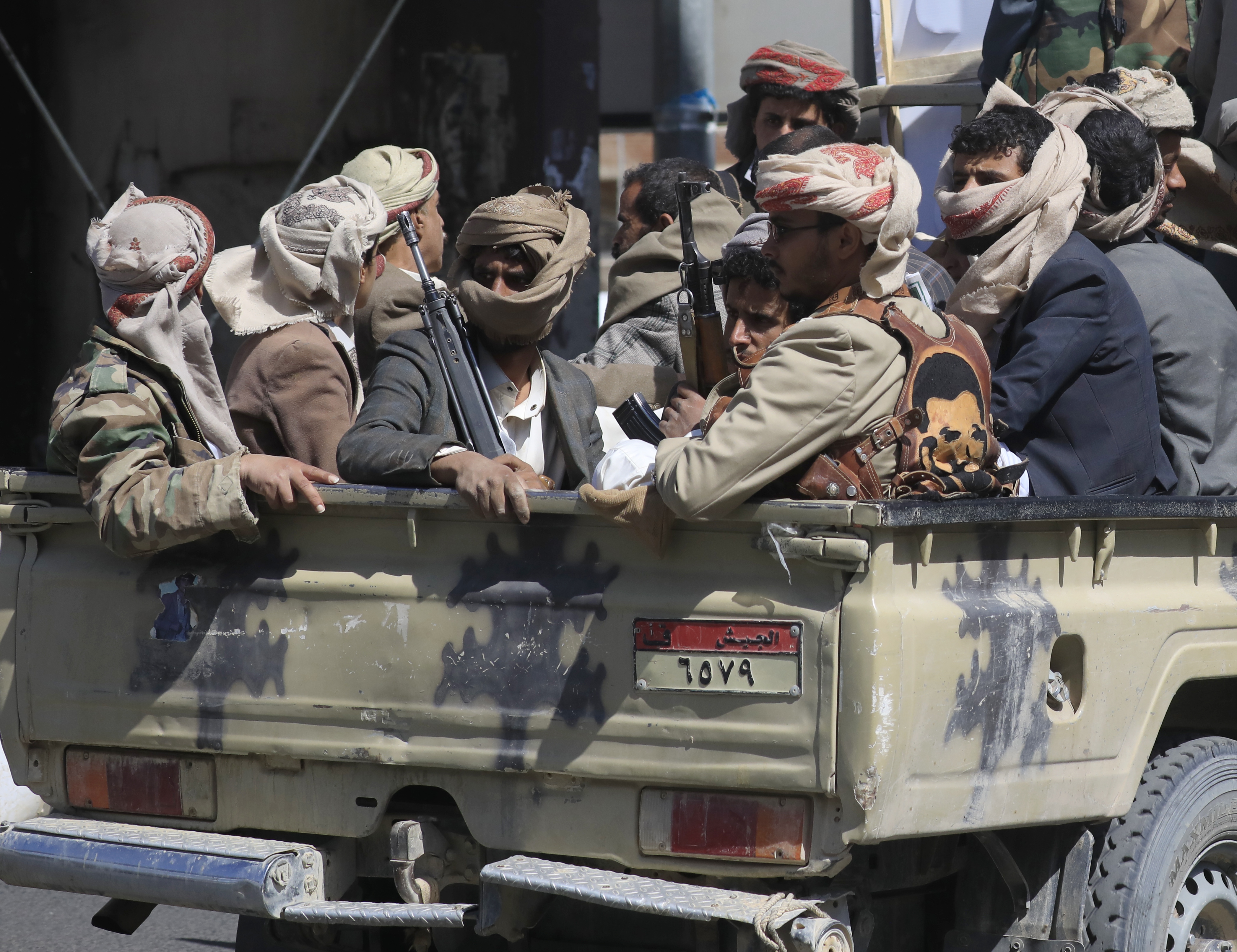
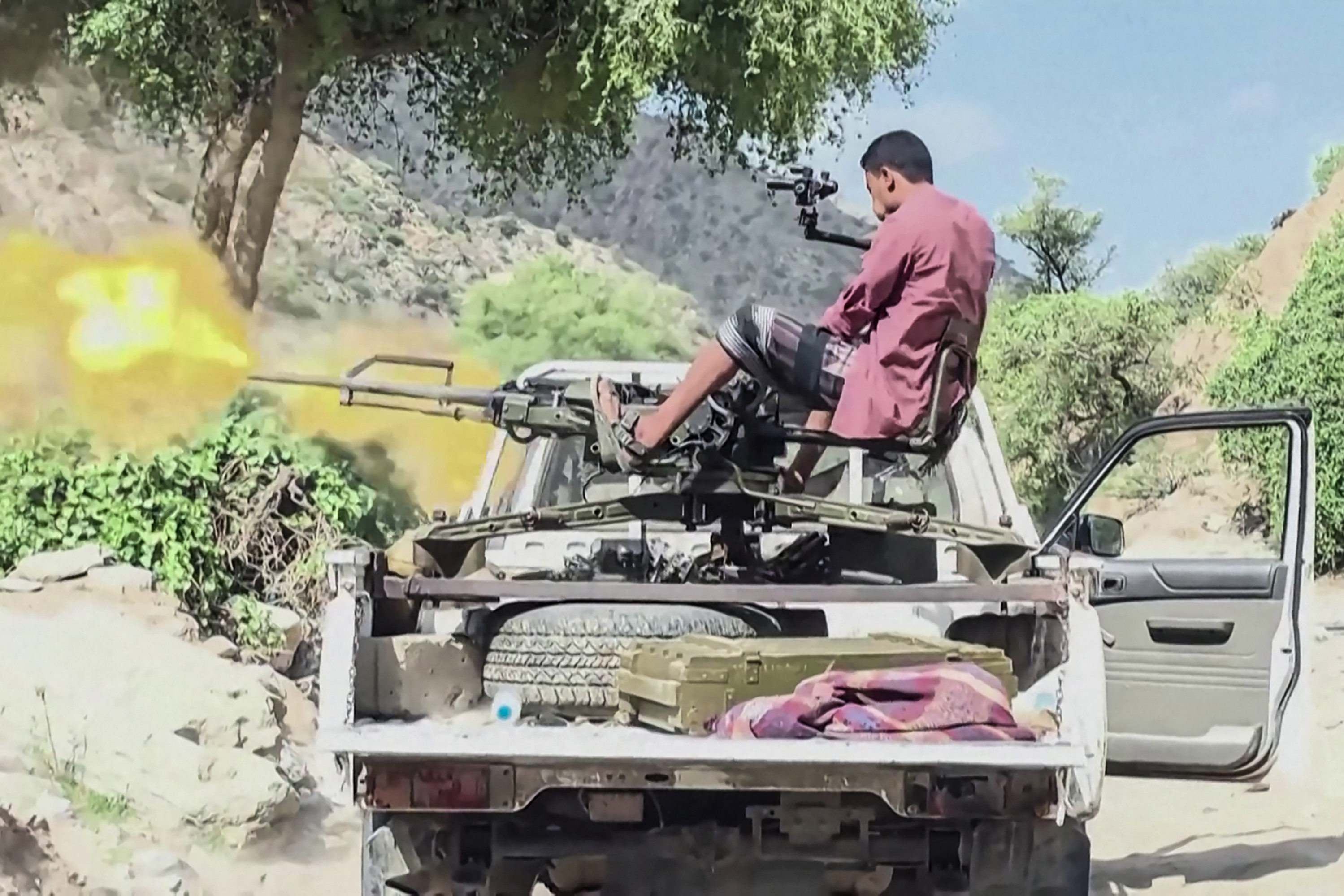
Iran has long been accused of links with the Houthis in Yemen, but how far do these links go?
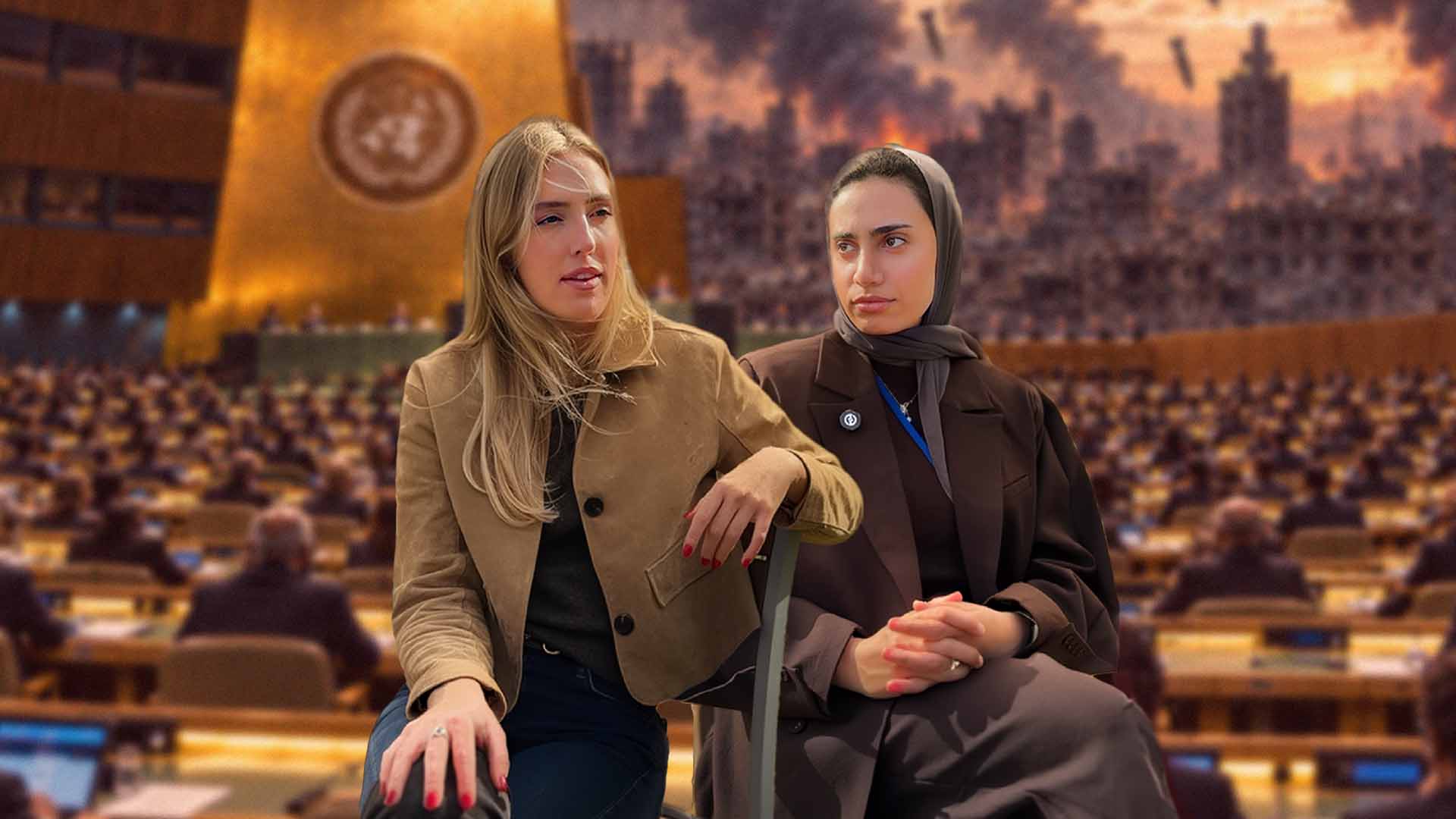
Al Jazeera’s Emma Withrow asked Al Anoud Al Thani what diplomacy can achieve.
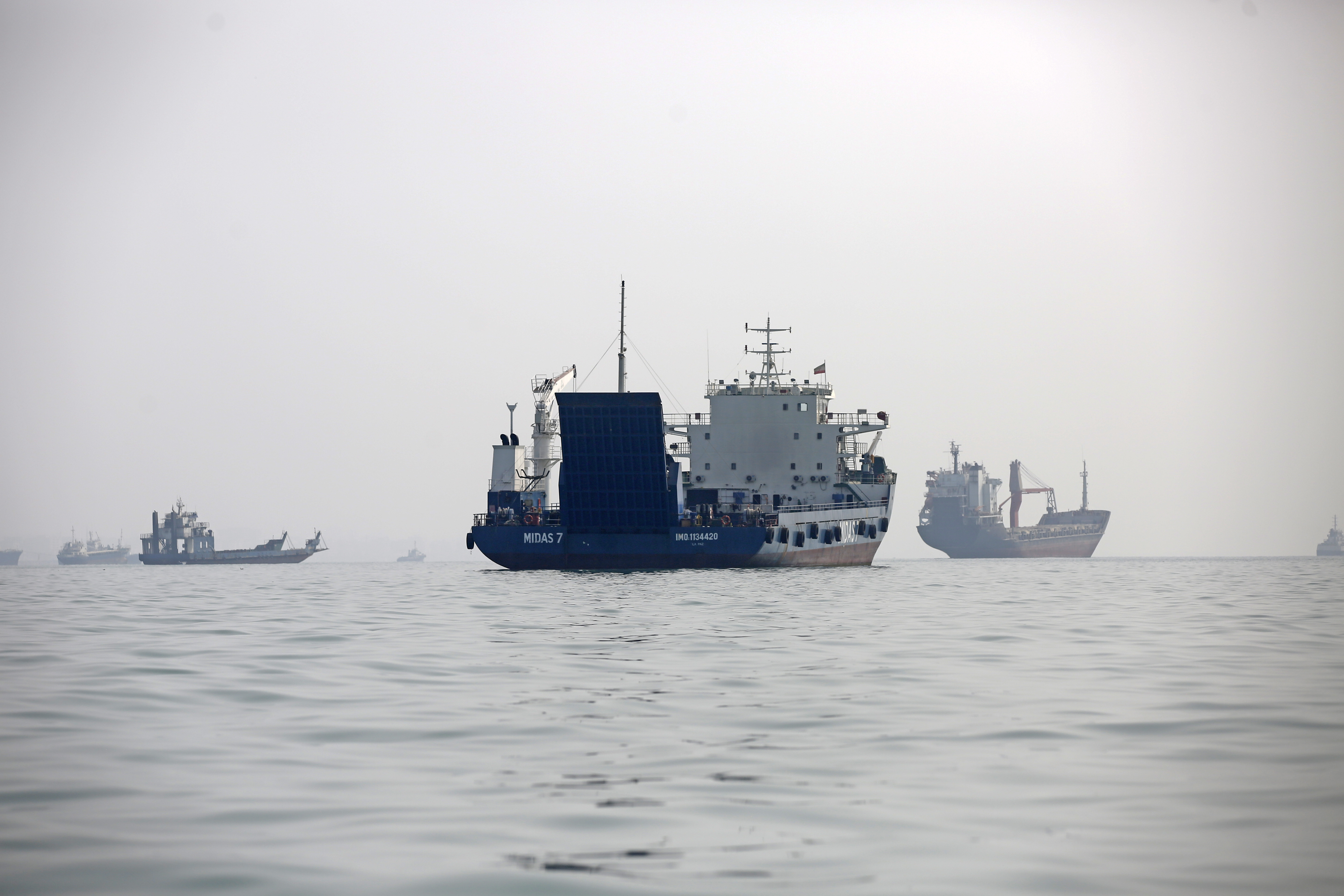
Tehran says it would reopen the Strait of Hormuz and resume nuclear talks within a week if Washington agrees.
Israeli PM’s criticism of Al Jazeera during UNGA address threatens safety of journalists, the media network says.
Tehran’s offer comes as high fuel prices put pressure on Trump ahead of the US midterm elections.
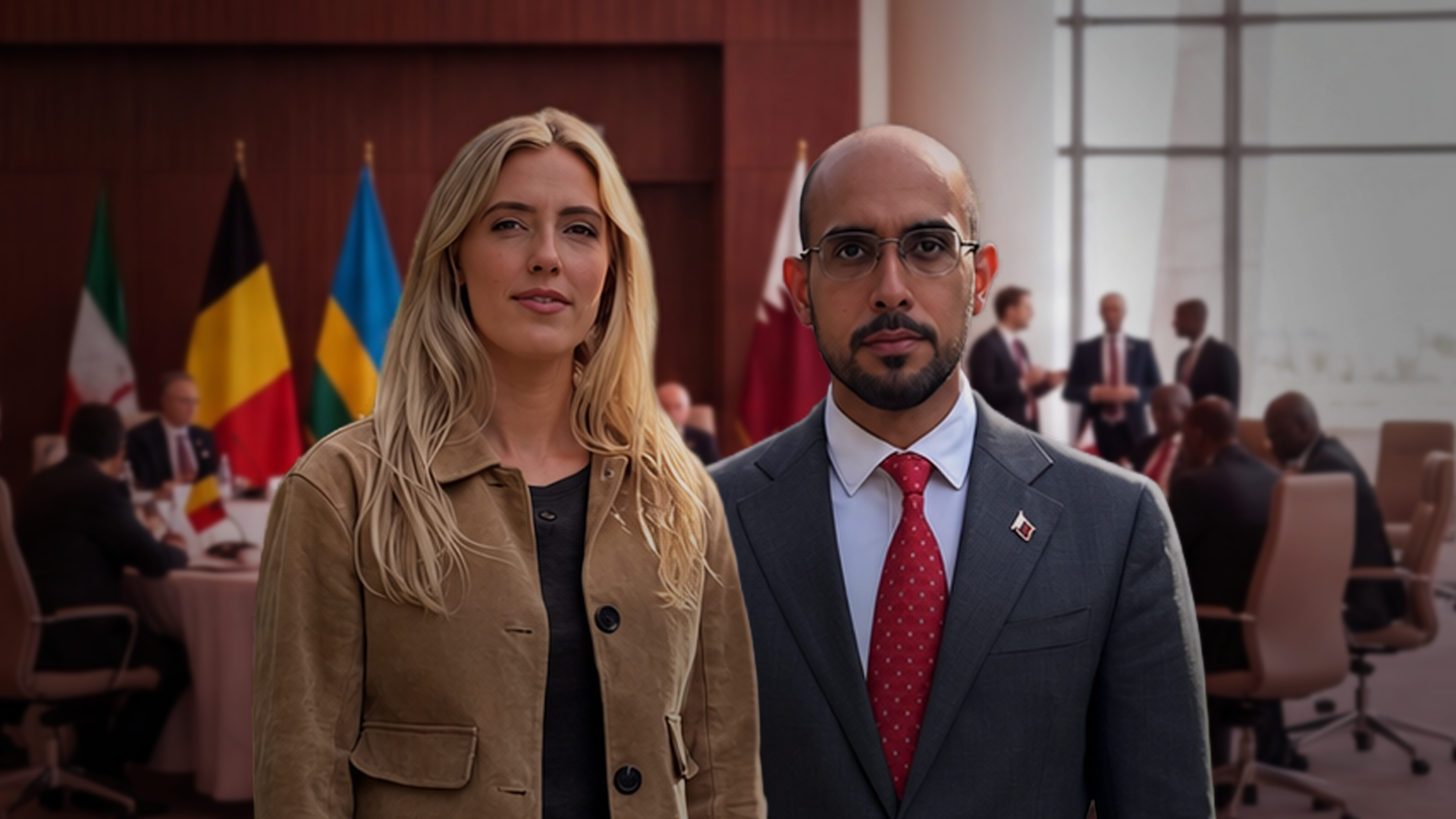
Belgium and Rwanda have restored diplomatic relations after an 18-month rupture over the war in eastern DR Congo.


![Qatar's Prime Minister Sheikh Mohammed bin Abdulrahman bin Jassim Al Thani speaks prior to a quadrilateral meeting between the United States, Iran, Pakistan and Qatar at the Burgenstock luxury hotel complex, Lucerne, Switzerland, on June 21, 2026 [Fabrice Coffrini/Reuters]](https://aljazeeranews-mggx1uo47w.edgeone.app/wp-content/uploads/2026/08/2026-06-21T150152Z_455887200_RC2EYLA0D2PL_RTRMADP_3_IRAN-CRISIS-SWISS-MEETING-1787796288.jpg?resize=770%2C513&quality=80)