Emir says Qatar has shown resilience in the face of ‘exceptional events’
Sheikh Tamim bin Hamad Al Thani says Qatar has demonstrated its strength and cohesion.
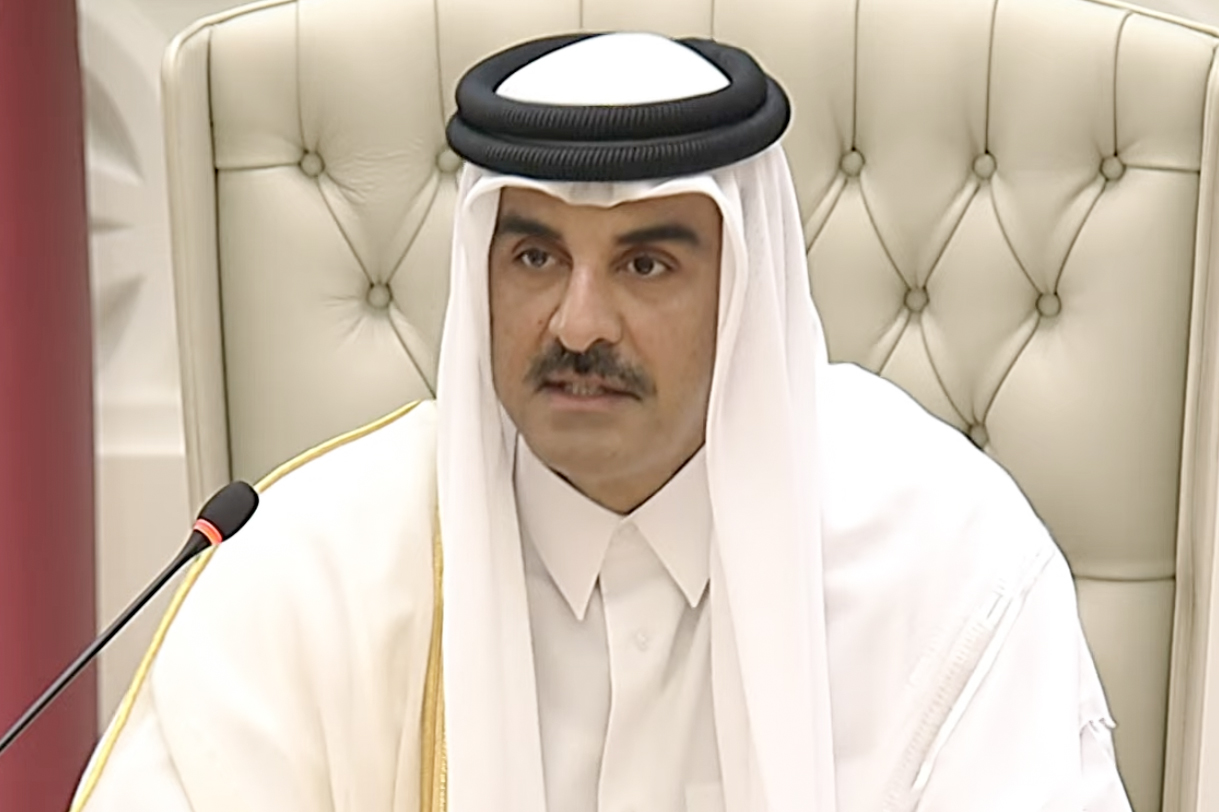
Qatar’s Emir Sheikh Tamim bin Hamad Al Thani has told the Shura Council that the region has faced “exceptional events” during months of instability amid the United States-Israel war on Iran.
Speaking in the capital, Doha, on Tuesday, Sheikh Tamim said Qatar’s response had shown its resilience.
“Our country and the region have faced exceptional events that have once again proven the cohesion of state institutions,” the emir said.
Qatar has found itself caught up in the war, which began on February 28 and triggered a global energy crisis.
The Gulf state has been directly attacked by Iran on several occasions, including in March, when Tehran struck Qatar’s Ras Laffan gas facility, the world’s largest liquefied natural gas (LNG) production site.
Sheikh Tamim said Qatar had been able to absorb the consequences of the regional instability due to policies implemented before the war. The emir maintained that the Gulf Cooperation Council’s (GCC) security was non-negotiable.
“The security of Gulf Cooperation Council states and the preservation of their sovereignty are matters that cannot be compromised on,” he said.
The war on Iran has disrupted global supply routes, particularly the Strait of Hormuz, which Tehran has blocked since the start of the conflict.
Sheikh Tamim said efforts to safeguard maritime routes must be increased.
“Efforts must be doubled to secure navigation in the Gulf and the Strait of Hormuz and to protect energy facilities and civilian infrastructure.”
Reporting from Doha, Al Jazeera’s Zein Basravi said Sheikh Tamim had used the address to reiterate Qatar’s preference for ending wars and resolving disagreements through peaceful dialogue, while reaffirming the country’s commitment to the Palestinian cause.
“He highlighted how the attacks on LNG facilities have effectively hurt Qatar’s capacity; it has hurt Qatar’s economy directly,” Basravi said.
“He also cautioned and said that ‘we should not be like we were before this crisis going forward.’ Certainly, a signal that will be taken seriously by those in this chamber; by people heading up institutions.
“If you read between the lines, the signal is clear: That they will lean into non-carbon-related industries.”
Sheikh Tamim said Qatar has invested more than $60bn across a variety of areas, including infrastructure projects, public-private partnerships and private sector investment.
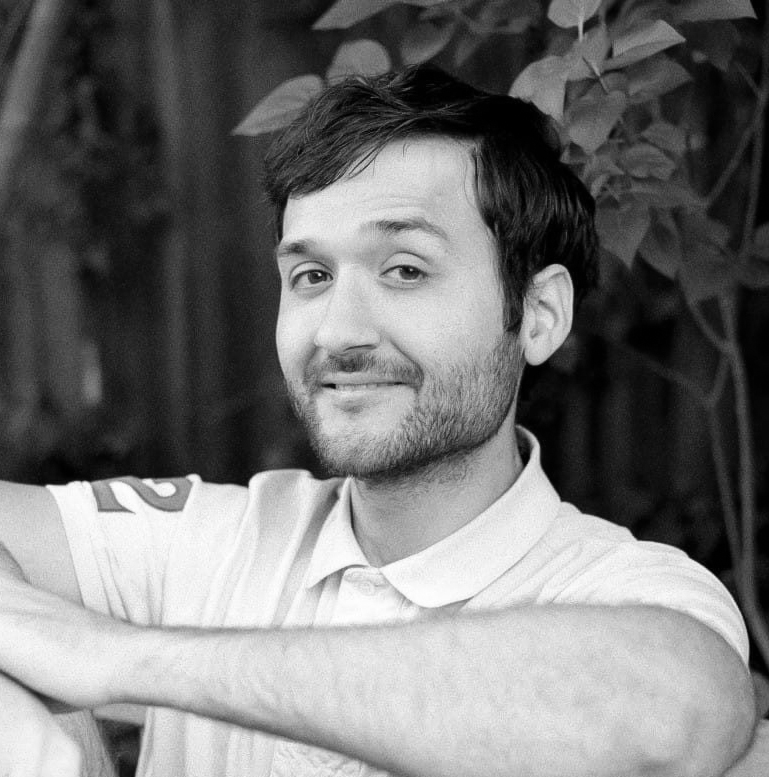
Rashid Al-Mohanadi, vice president of the Center for International Policy Research, told Al Jazeera that Qatar has a history of “turning crises into opportunities”.
“In the last 10 years, Qatar has been through many challenges and usually the output is we become more resilient. The hope is that after this war, which has been very challenging on the population [and] on the economy, that Qatar will turn out stronger and more resilient,” Al-Mohanadi said.
