Ronaldo’s among three Saudi Arabia games postponed due to Houthi attacks
Saudi Pro League postpones three matches after Houthi attacks, including one involving Cristiano Ronaldo’s Al Nassr.

Saudi Pro League postpones three matches after Houthi attacks, including one involving Cristiano Ronaldo’s Al Nassr.
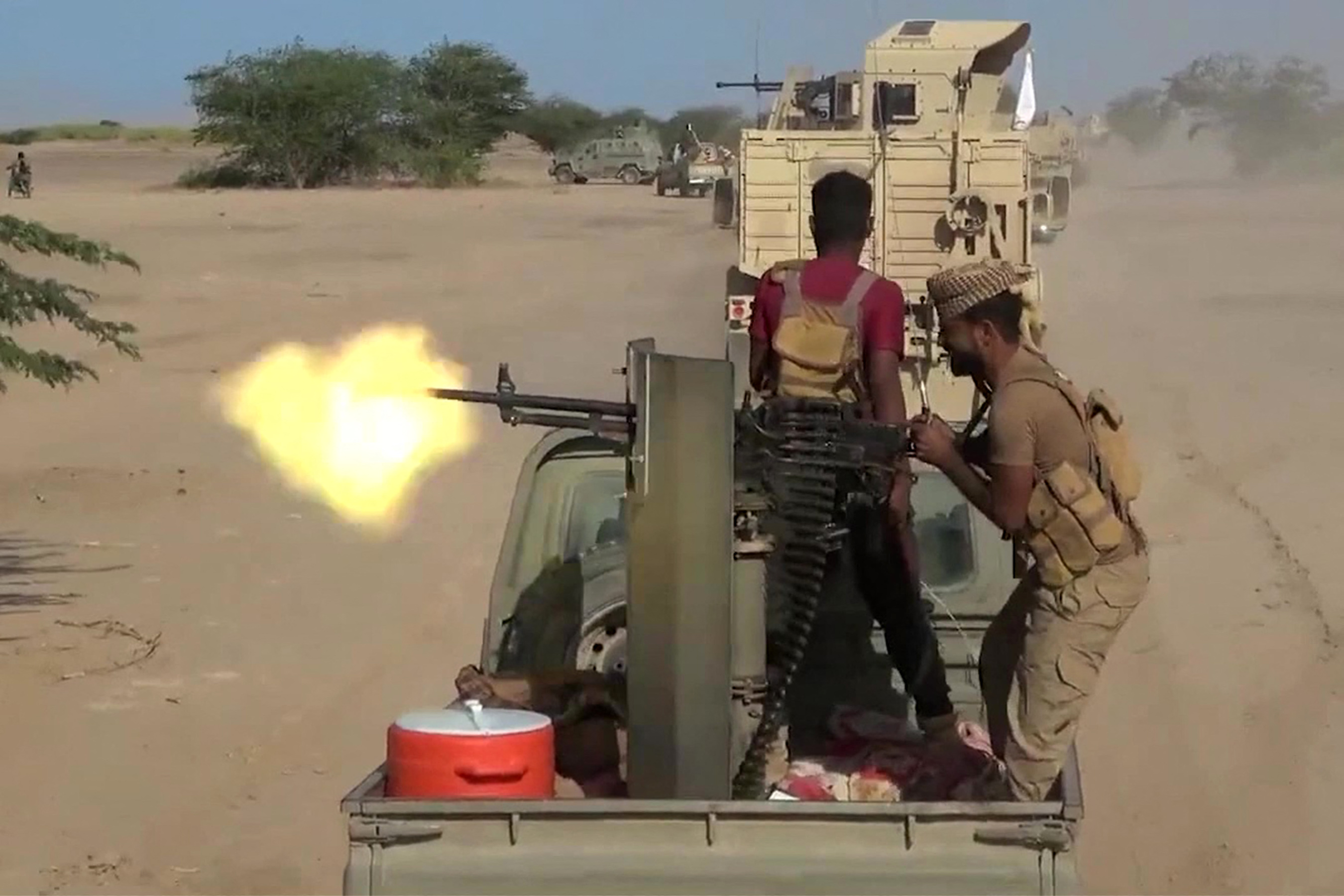





The risk of a region-wide war is increasing, but if cooler heads prevail, a peaceful arrangement can still be reached.
Al-Nassr’s AFC Champions League game in Riyadh was delayed for one hour due to a security warning amid Houthi attacks.

Portuguese superstar Cristiano Ronaldo waved a scarf with the Saudi flag after Al Nassr’s victory.
The Tigray conflict puts the UAE’s backing of Ethiopia and Saudi Arabia’s diplomatic role under scrutiny.
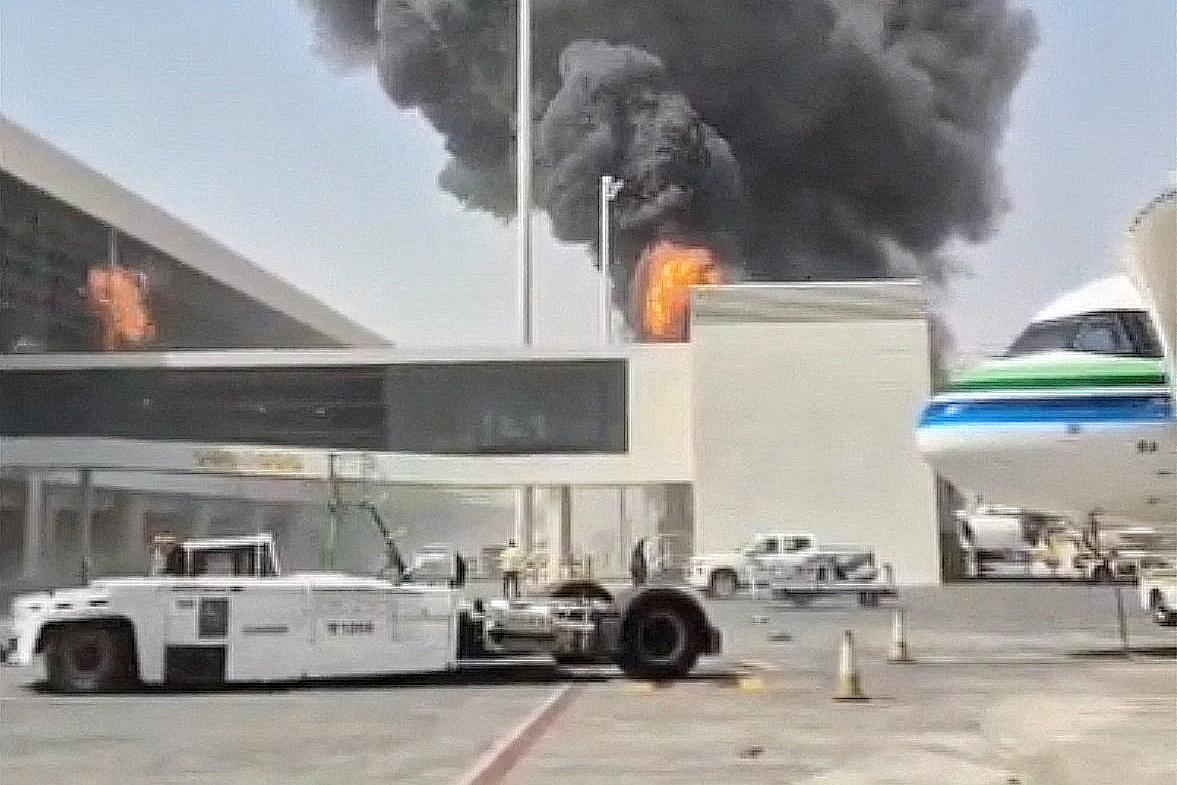
Saudi Arabia claims it downed a ballistic missile fired at Riyadh, as the Houthis say they targeted King Khalid airport.
Tehran seeks dialogue in Yemen conflict, warning a military solution risks complicating the volatile regional situation.
The attacks mark the deadliest assault on Saudi soil in more than a decade.

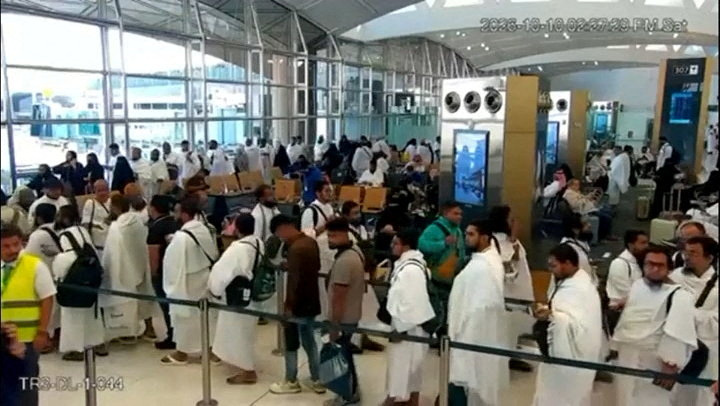
New footage shows a Houthi strike on Riyadh’s airport as Saudi Arabia reaffirms its resilience.
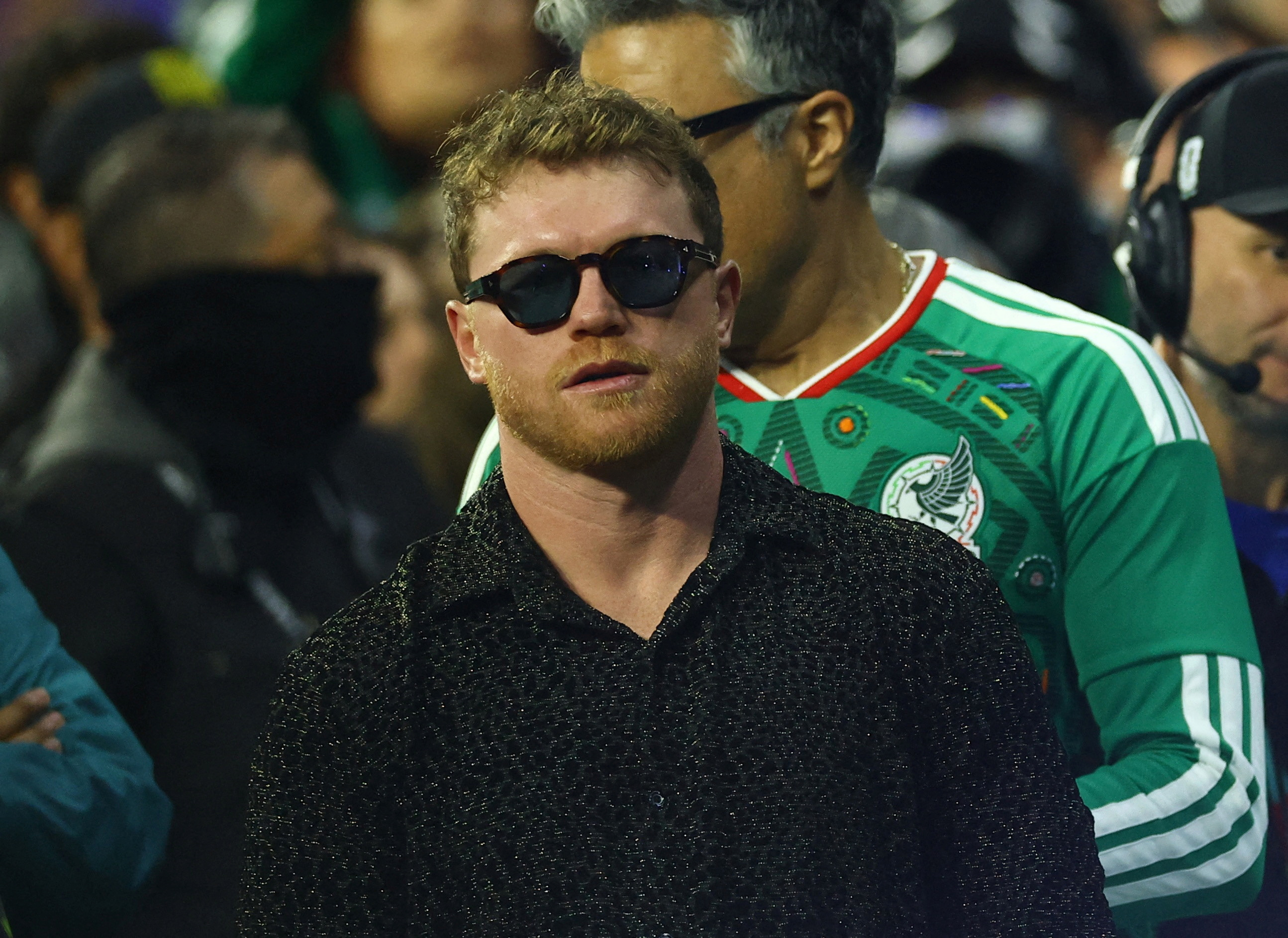
Mexican boxer tells Turki Al-Sheikh he ‘fears nothing’ and will face M’billi in Riyadh on October 31 ‘no matter what’.