From: NewsFeed
Netanyahu next to Middle East map: ‘We strangled them and have more to do’
Standing by a map, Israeli Prime Minister Benjamin Netanyahu describes how six countries wanted to strangle us’.
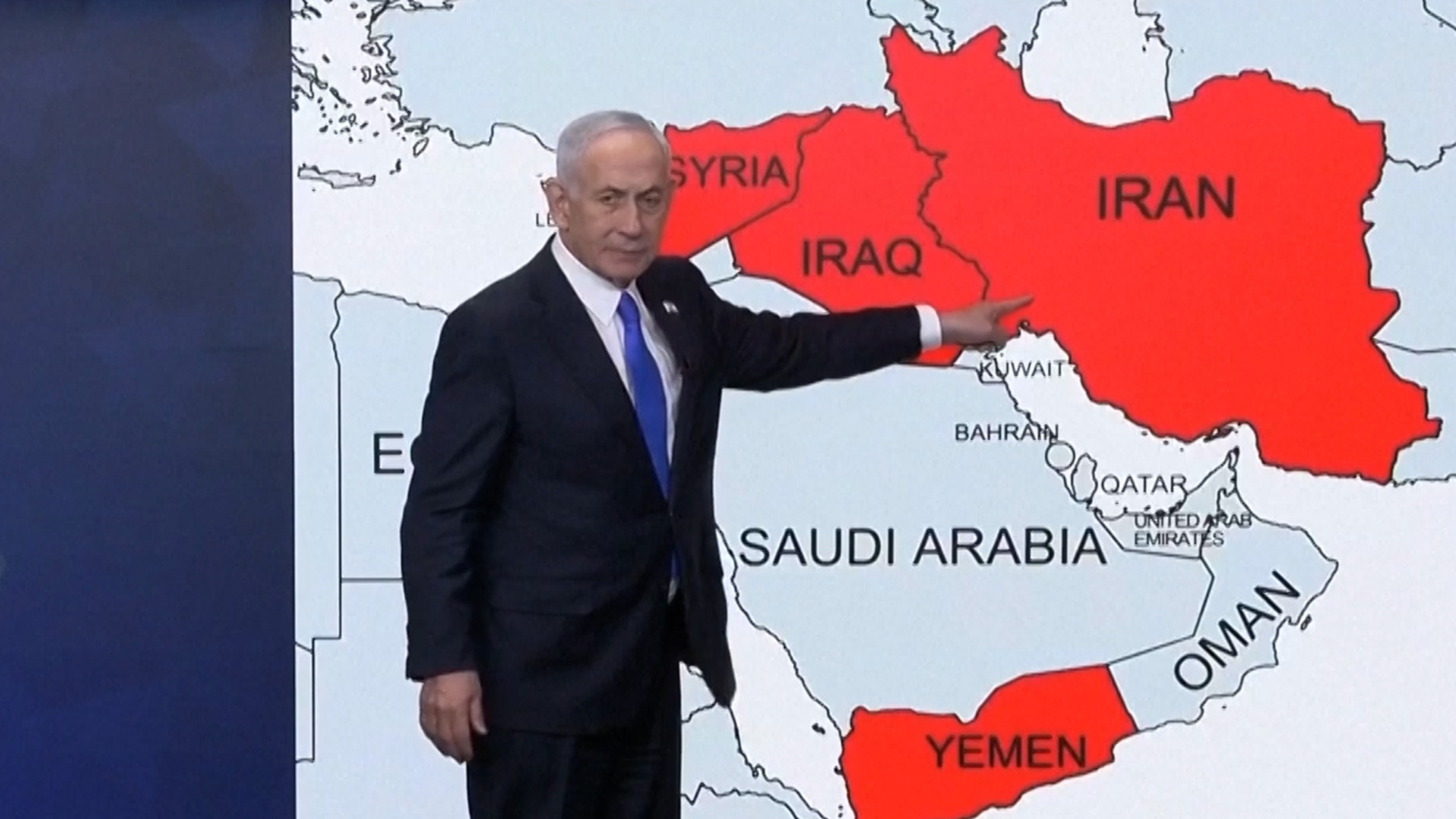
Standing by a map, Israeli Prime Minister Benjamin Netanyahu describes how six countries wanted to strangle us’.
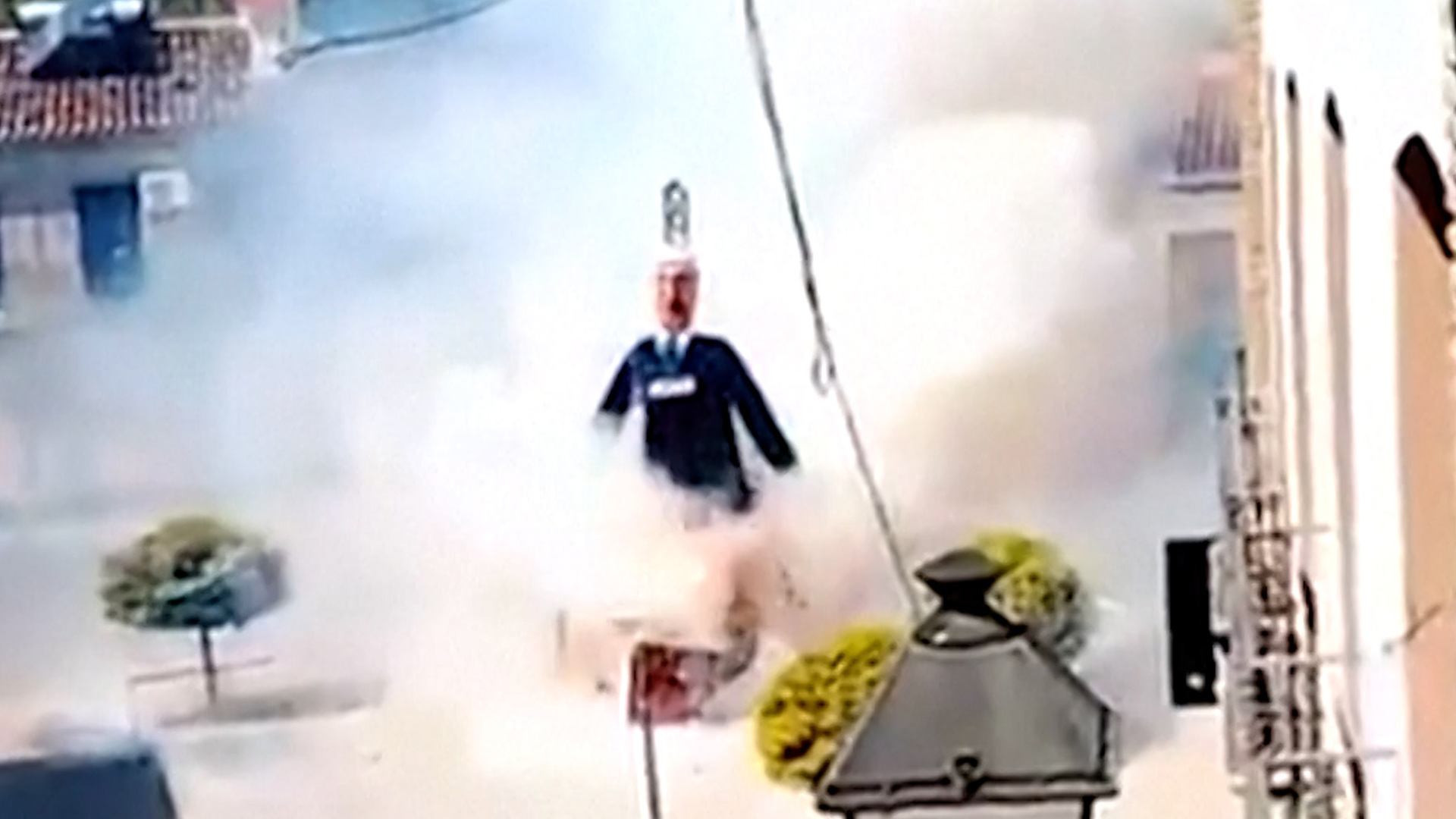
![US and Iranian delegations are set to meet in Islamabad for peace talks to end six weeks of war. Here’s what we know about who is attending, what is on the table, and what could derail the negotiations. Al Jazeera’s Abid Hussain explains from Islamabad. [Al Jazeera]](https://aljazeeranews-mggx1uo47w.edgeone.app/wp-content/uploads/2026/04/image-1775852351.jpg?resize=770%2C513&quality=80)


Israel’s confrontation with its regional nemesis leaves Iran both standing and strategically stronger, analysts say.
Israel has backed a ceasefire between the US and Iran but made clear it does not extend to Lebanon.
Trump cites Iran’s 10-point plan as a basis for negotiation, signalling potential progress towards long-term peace.

‘We’re now seeing very concerning strikes on nuclear facilities in Iran that risk further radioactive contamination.’
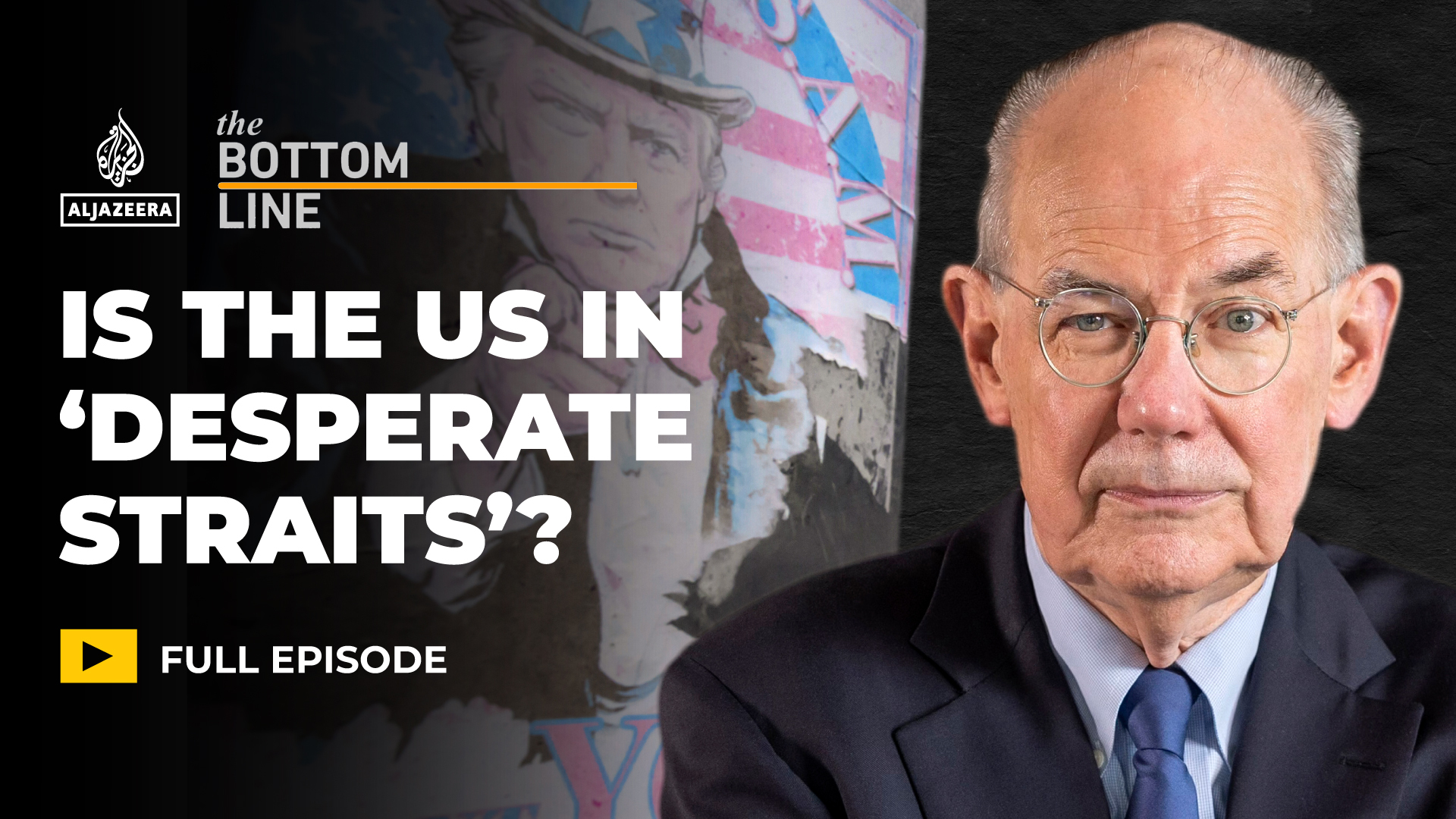
US political scientist John Mearsheimer argues Israel, not Iran, is the Middle East country that is ‘highly aggressive’.
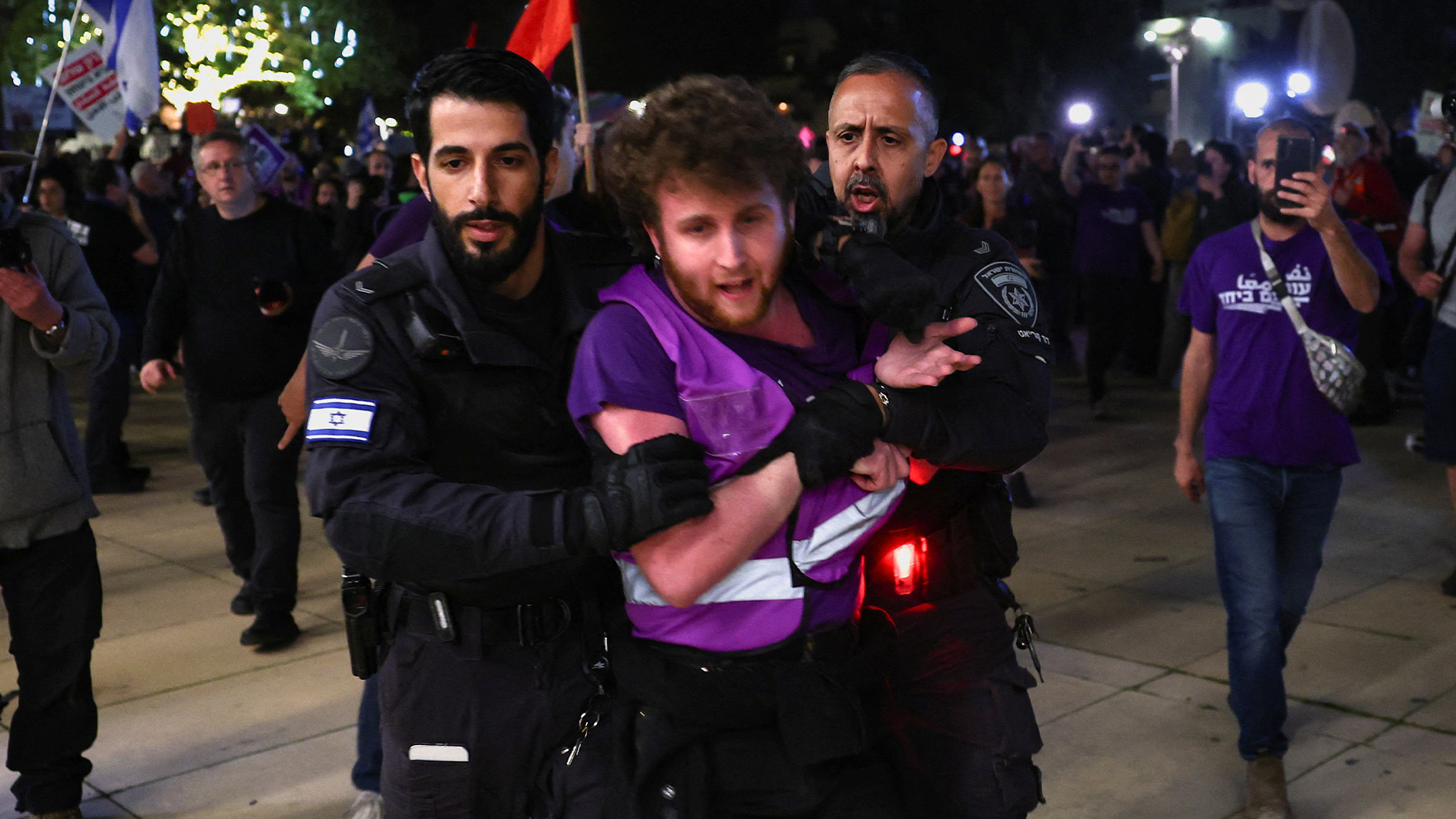
Israeli police clashed with protesters and made arrests in Tel Aviv as demonstrators rallied against the war on Iran.
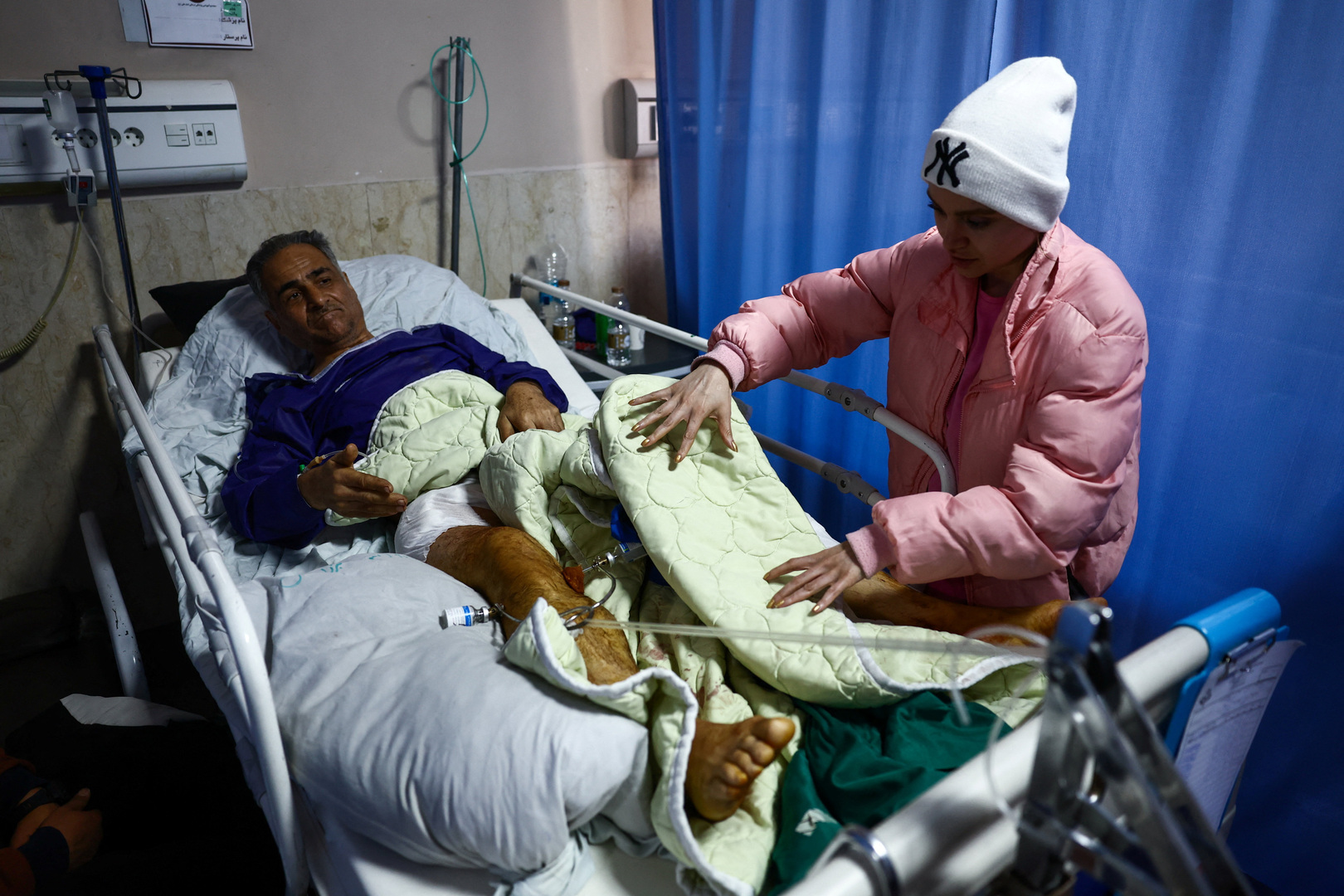
Survivors of an Israeli-US attack on Iran’s biggest road bridge have spoken of their terror as missiles hit it.

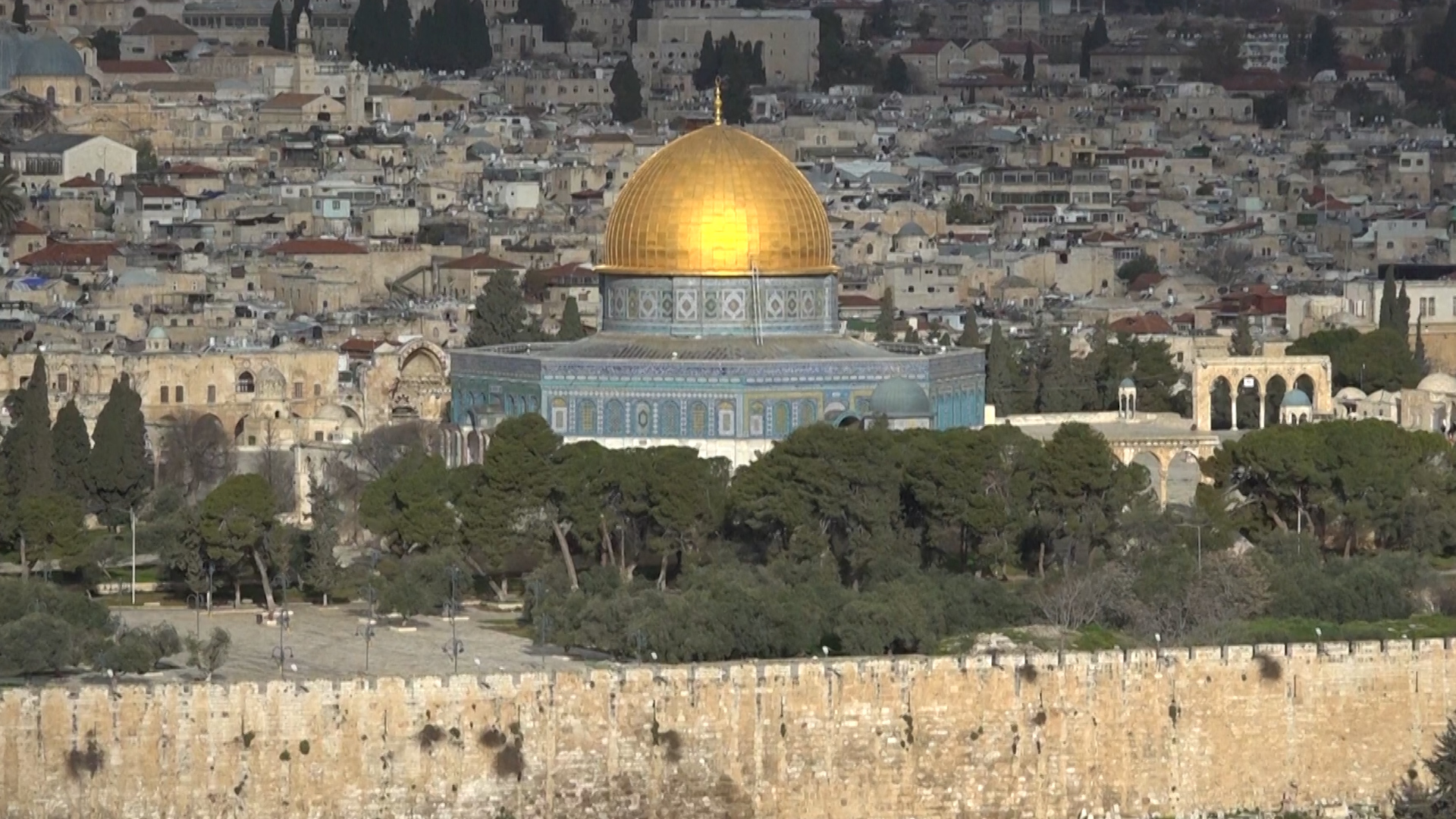
Access to key Christian holy sites in Jerusalem has been restricted this Easter holiday.
Years of war have fundamentally changed Israel’s politics, economy and society, analysts say.



![An Israeli soldier inspects the impact site following Iranian missile barrages, amid the U.S.-Israeli conflict with Iran, in Nahariya, Israel, March 26, 2026. [Tyrone Siu/Reuters]](https://aljazeeranews-mggx1uo47w.edgeone.app/wp-content/uploads/2026/03/2026-03-26T172319Z_1446740875_RC2GCKAOOPSY_RTRMADP_3_IRAN-CRISIS-ISRAEL_cropped-1774570068.jpg?resize=770%2C513&quality=80)