The Healing Power Of World Horse Day
World Horse Day gained strong support in Mongolia, where up to 12,600 riders joined President Khurelsukh in 2026.


The organisers of World Horse Day were expecting to make an impact - but even they were surprised by the groundswell of support. In Mongolia, up to 12,600 riders rode behind their president, Ukhnaagiin Khurelsukh, in July 2026.
But then Mongolia’s relationship with horses has always been profound. They’re woven into the very fabric of life here. There are more than 50 million horses around the world - and more than 10 per cent of them are in Mongolia. The country only has a population of 3.5 million. When there are more horses than people, the horses will play a big role in the nation’s way of life.
The rest of the world is sitting up and taking notice. Take horse trainer and behaviouralist Virginie Bernhard. She left her home in Switzerland to examine how people and horses interact in Mongolia. Her belief is that the West has a lot to learn - or rather, relearn - about how we look after horses, and how they look after us.

Virginie says, “In Europe we have a lot of technology, knowledge about horses, veterinarians, trainers - superfamous trainers - but we lost the main thing: We lost the spirit of the horse. And me, I'm an international horse trainer. I've been all over the world, all the continents, a lot of tribal places [and] the real horse spirit, I found it here, in Mongolia.
“My job is to think like a horse. Very often we forget that horses are animal prey, and they don’t react like us. And we as a human species, we are predators.”
Mongolia’s powerful connection with horses has existed for millennia. Horses were fundamental to the expansion of the Mongol Empire in the middle ages, under the leadership of Genghis and Kublai Khan. They didn’t march to conquest - they rode. Even now, children learn to ride before they can walk. The nation’s love of horses and riding crosses class and gender. And that’s why there’s a growing belief that, if we want to rediscover our links with nature and the benefits they bring, there are few better places to start than in Mongolia and with the horse.
Few understand this more than Onon, a Mongolian doctor and equine-assisted therapy specialist. She says, “Due to the influence of the modern way of life, as we move away from our culture - not only the Mongols, but the entire human race of the world - we will also be, to some extent, psychologically unstable.
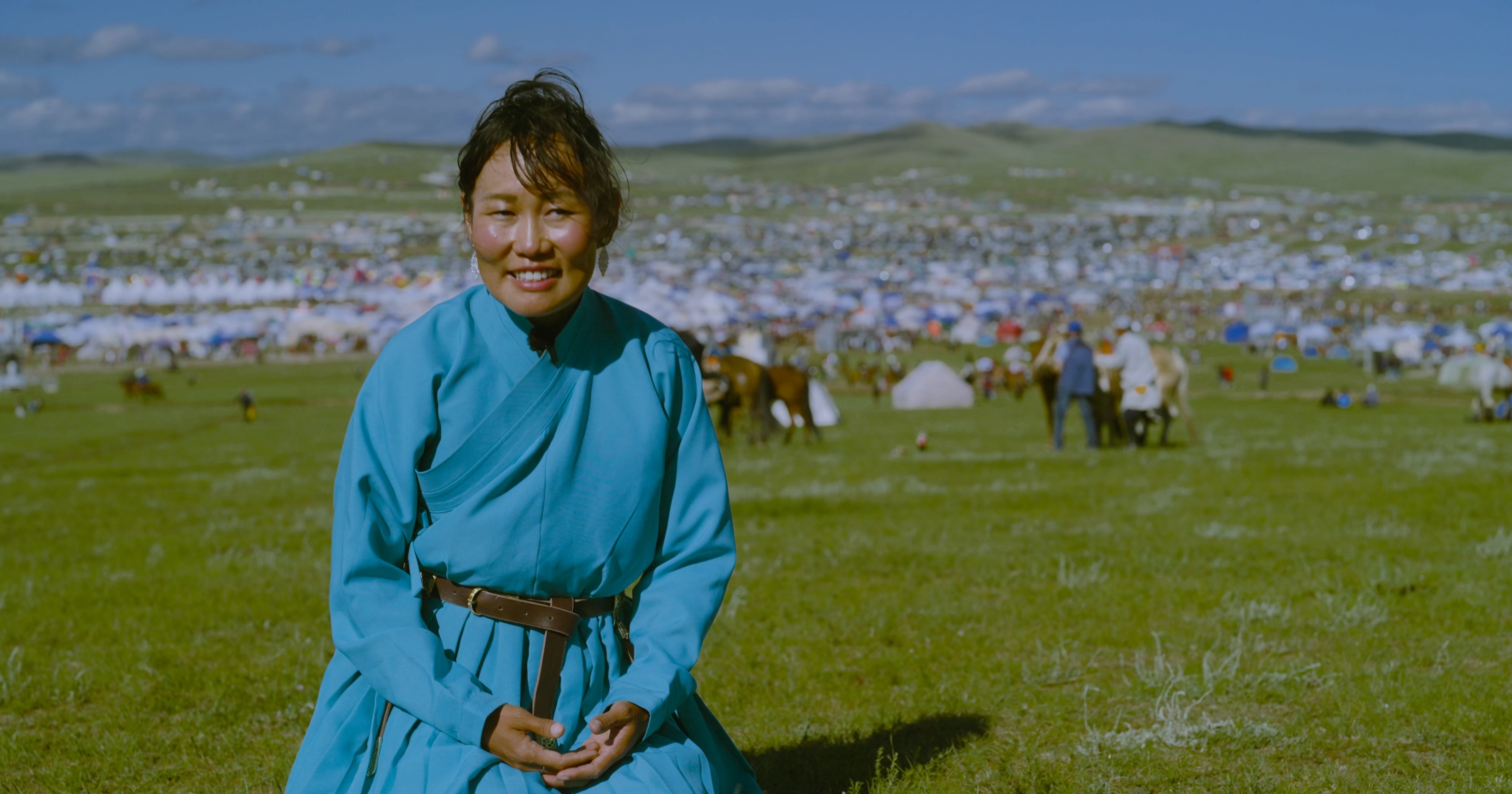
“We’re becoming more stressed. So can we overcome this thing very simply by going out into nature and being with our horses? This equestrian sport is what is most lacking and most needed at this moment because simply spending time in nature can calm the mind.”
World Horse Day was the brainchild of Naranbadrakh “Narra” Batkhuu. He began by rescuing and rehabilitating neglected horses. He is convinced that horses have a transformative impact on people’s lives, that they embody healing, heritage and peace. Things really took off when he gained the support of the Mongolian government and, later, the United Nations.
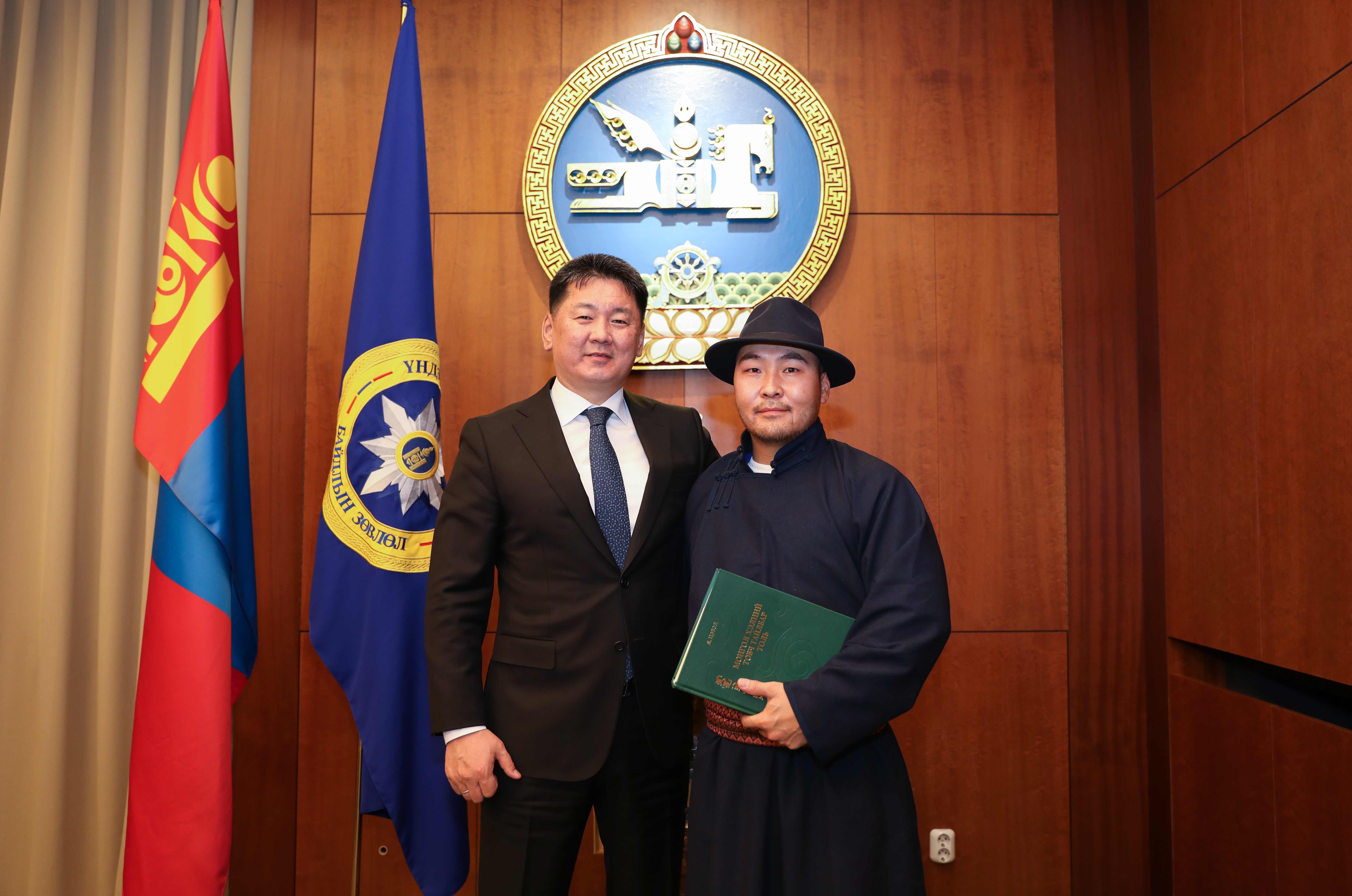
Among those at the forefront of establishing the link between horses and the way they can improve our wellbeing is the Swiss autism expert Aude Piguet. She’s also in Mongolia, pushing for a therapy centre to help horses help us.
“Horses are really sensitive animals,” says Aude. “They usually give a lot back, and they are able to bond with a person a lot more than what we can do as another human.
“They probably understand humans a lot more than we humans actually do, and so a lot of people with autism really get good connections with horses. And this is how we can, with the horse, help the person to open up.”

So, World Horse Day isn’t just the perfect excuse for Mongolians to ride and learn more about the need to look after these extraordinary animals. It is also drawing the world’s leading scientists, trainers and therapists to develop a better understanding of our relationship with the horse.
Perhaps the last word should be with Onon, our Mongolian doctor.
“Mongolians have had a great relationship with horses since ancient times,” she says. “Mongolia has always been with its land and the world, on horseback. And [Mongols] circumnavigated the world. We spread the Mongolian culture around the world, [with] horses as our closest friends.”
