Can emergency reserves ease the diesel crisis?
The G7 plans to release emergency fuel stocks as diesel shortages raise transport costs and squeeze household budgets.
The G7 plans to release emergency fuel stocks as diesel shortages raise transport costs and squeeze household budgets.
A weekly look at the world’s top business and economics stories. Watch Counting the Cost every Friday 2230GMT
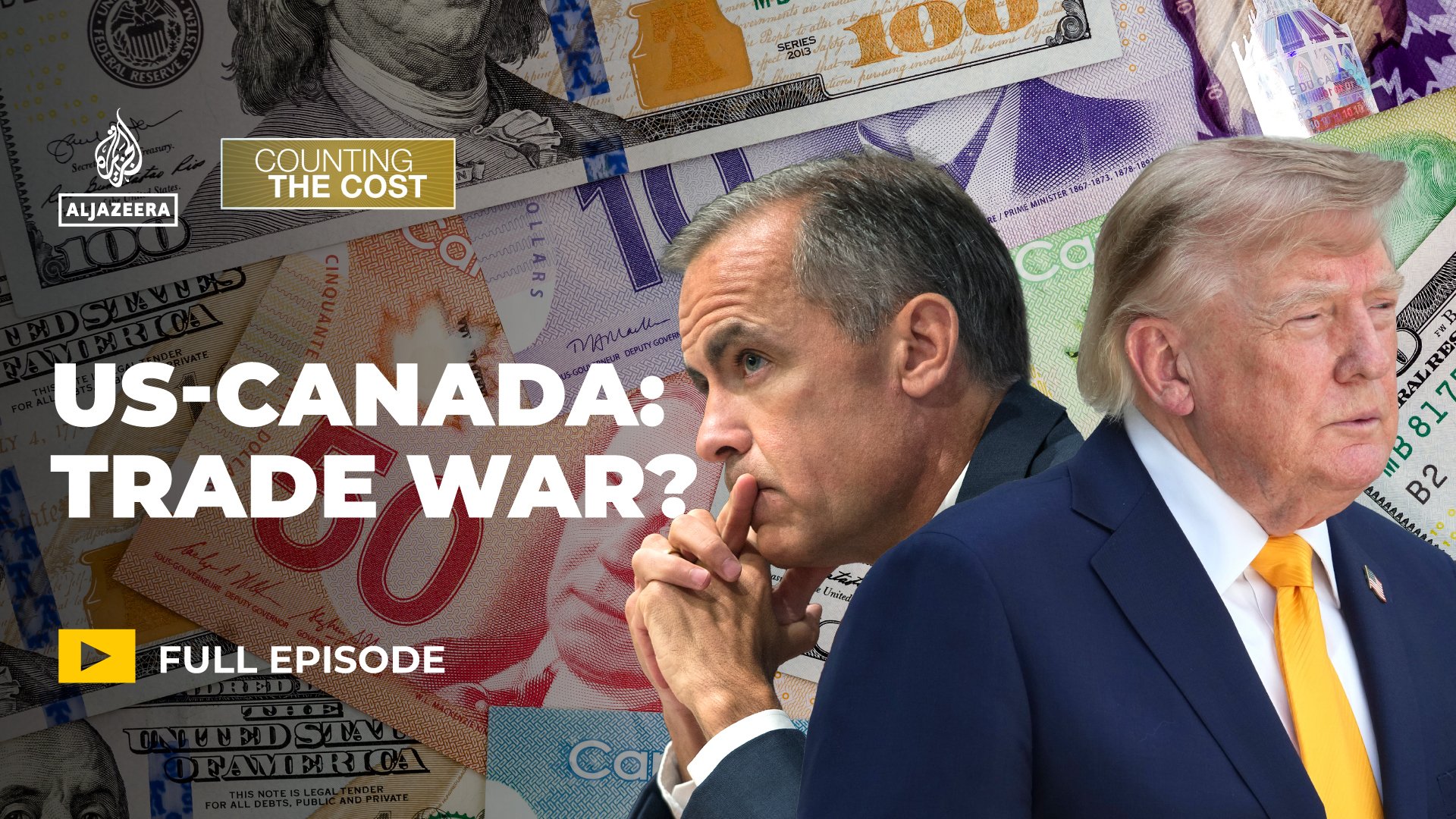
Canada and the US risk a full-scale trade war after a breakdown in talks.
Heatwaves are squeezing growth and productivity while the Iran war drives up Europe’s energy costs.

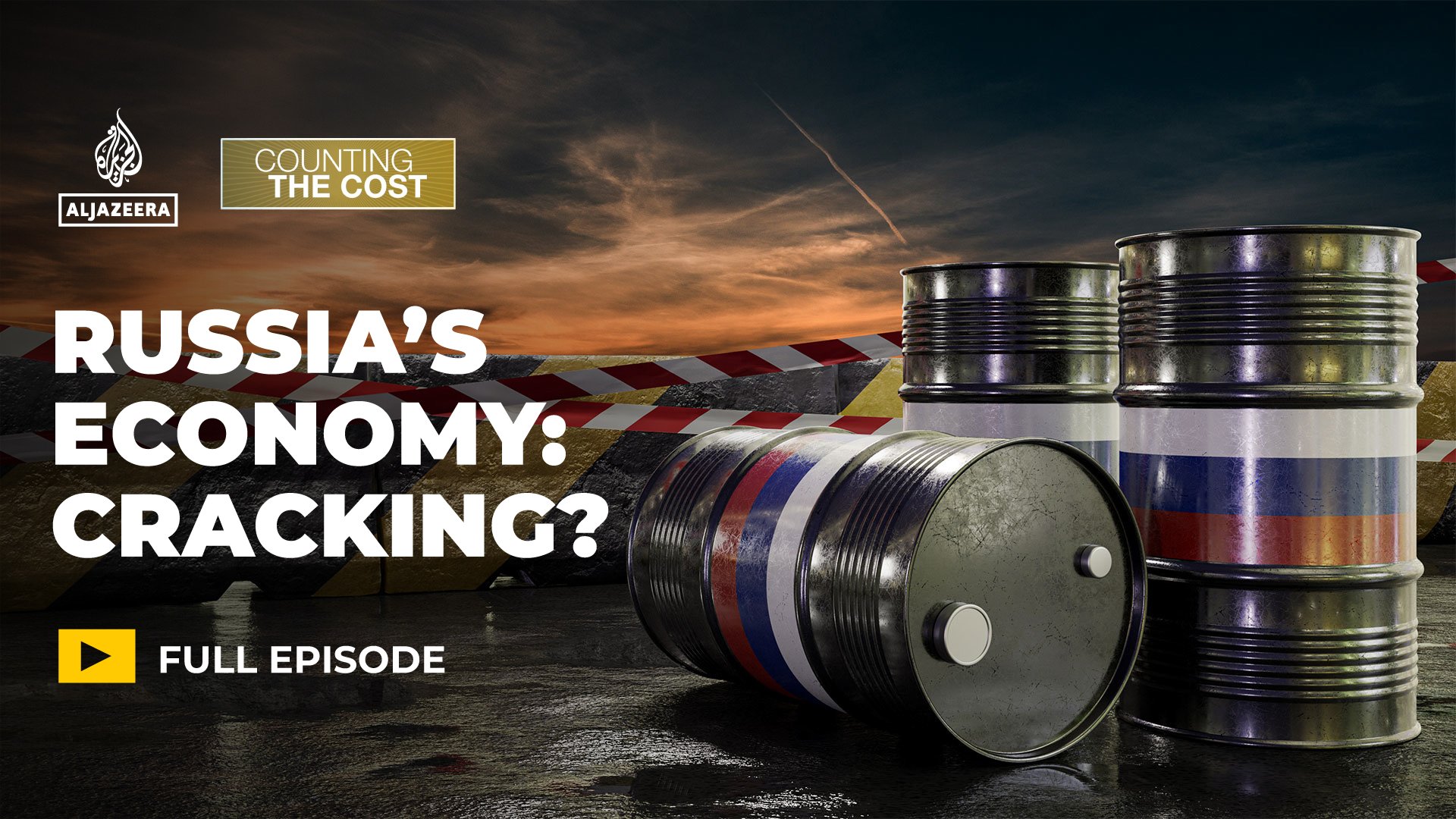
A widening deficit and Ukrainian strikes are testing Russia’s economy, even as war in the Middle East lifts oil revenue.
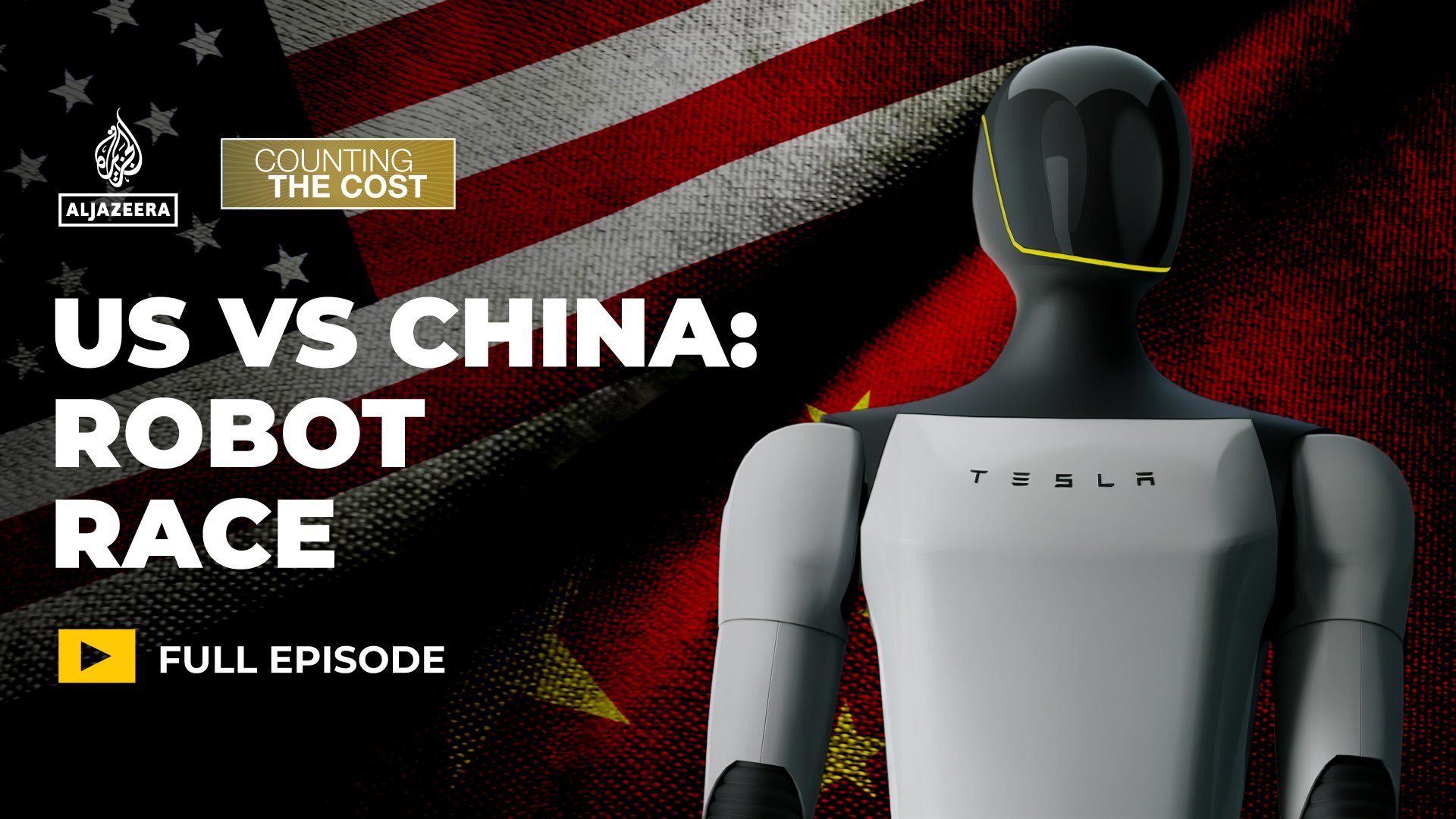
US curbs on foreign-made robots intensify its wider rivalry with China over AI, chips and industry.
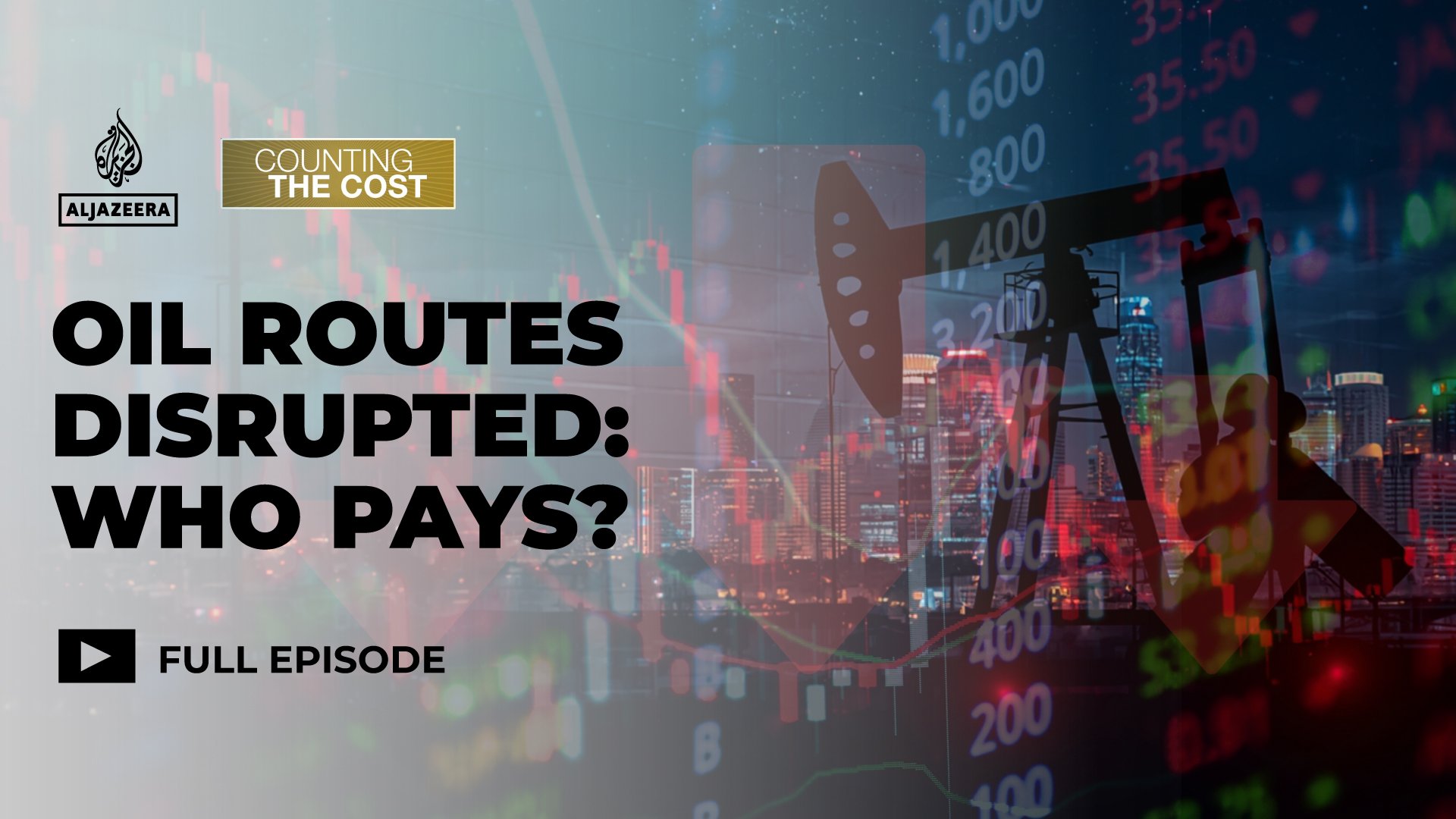
Disruptions across Strait of Hormuz, Bab al-Mandeb and the Black Sea threaten supplies and raise costs for consumers.
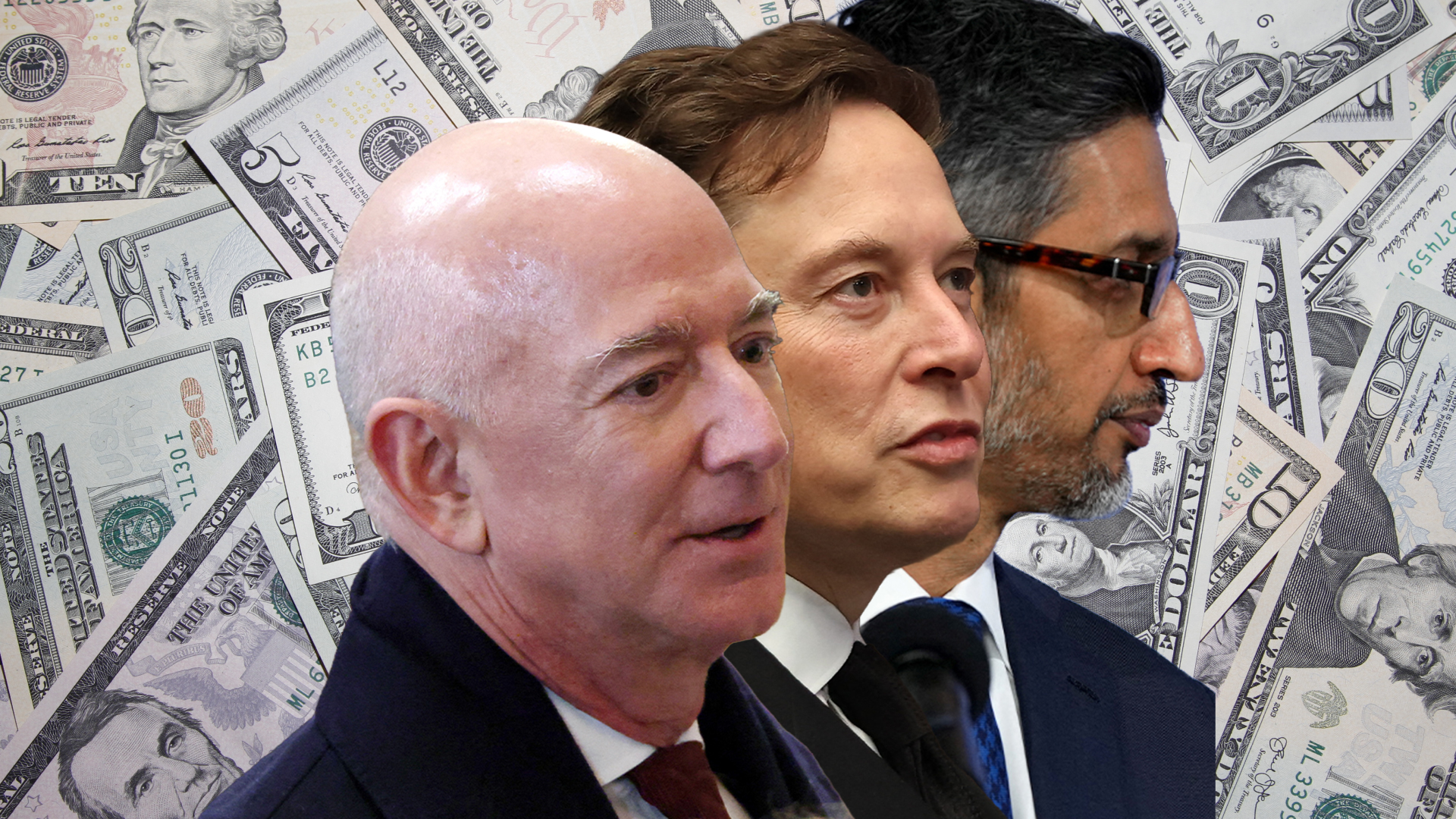
Billionaires are on the rise as the rest struggle with inequality, poverty and cost of living crisis.
Developed nations are cutting climate funding, but developing countries still need billions to adapt.
Bitcoin is falling, yet cryptocurrency is spreading beyond investing into politics, sanctions and global finance.

As trade tensions grow, Europe tries to remain competitive while balancing ties with the US and China.
From city skyscrapers to sprawling slums, a roof over your head has never been harder to afford.