Six months of war between Iran, US leave Arab states facing tough questions
The Iran war is settling into attrition, with no regime collapse and Gulf economies facing growing uncertainty
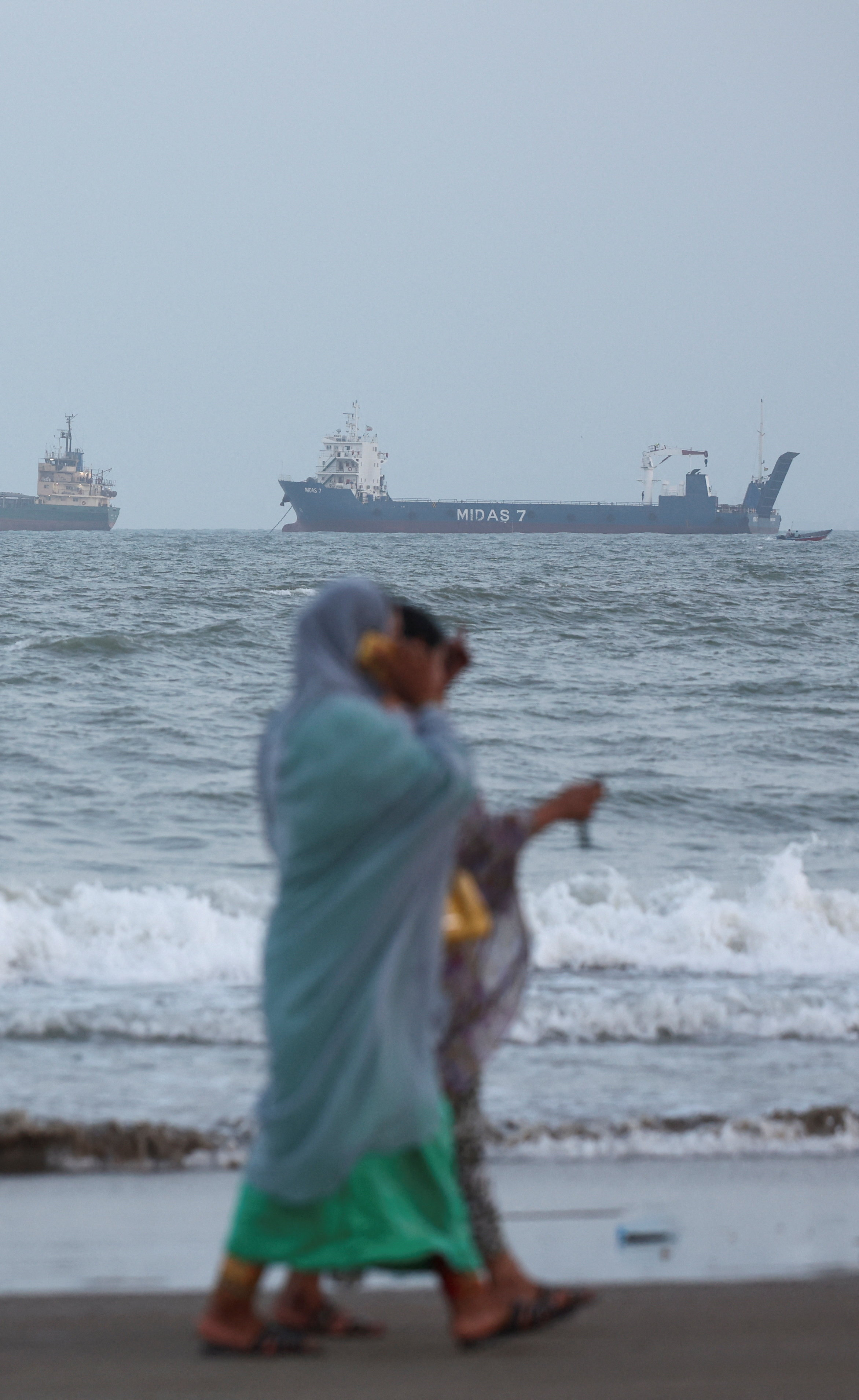

Analysts broadly agree the United States and Israel’s war on Iran will not see regime collapse in Tehran or a definite victory for Washington, but rather a dragged-out affair of stagnation and attrition.
The hope among the US leadership at the start of the war, which began after surprise Israeli and US attacks on February 28, was that mounting economic and military pressure on Iran would force a structural shift in Tehran. Six months on, it is clear this vision will not come about, and instead many are preparing for a protracted war and managed fallout.
Recommended Stories
list of 4 items- list 1 of 4Israel continues attacks on Syria, Lebanon despite US push for diplomacy
- list 2 of 4How a 95 percent drop in Hormuz traffic changed global shipping
- list 3 of 4Six months of the Iran war – as told through Trump’s social media posts
- list 4 of 4Is Iran war diplomacy ramping up, as Qatar, Oman, Pakistan officials visit?
Oil-dependent economies are still absorbing supply shocks after traffic in the Strait of Hormuz slowed to a trickle of pre-war levels following Iran’s attacks on shipping and a US blockade on Iranian ports.
The US military is still entrenched in a region that remains its most militarised in years. Although the war’s intensity has lessened since a memorandum of understanding (MoU) was signed by Washington and Tehran in June, there is no sign it will conclude, leading to continued uncertainty about the future.
Existing tensions, such as those between the Houthi rebels and Saudi Arabia in Yemen, look only set to increase as the war drags on. The influence of rival powers, such as those of India and China, remains stalled rather than stopped, with Beijing’s Belt and Road Initiative having already established itself within the Middle East and North Africa. All in all, the region remains in flux where formal alliances with outside powers no longer guarantee safety.
The defence agreement between Turkiye, Pakistan and Saudi Arabia recently signed in Mecca will likely be the first of many such military pacts agreed in the region.
“The war has just accelerated trends, but hasn’t really started anything that wasn’t already under way. The Gulf countries were already diversifying their economies,” Sanam Vakil, director of the Middle East and North Africa Programme at Chatham House, told Al Jazeera. “Many were already looking at broadening their defence partnerships beyond existing US security guarantees, as well as increasing their own defence capability.”
Israel, for its part, is still pursuing its regional project of “paramountcy”, HA Hellyer of the Royal United Services Institute said, despite its failure to bring Iran to its knees this year.
“There is no chance of the government in Tehran falling in the next six months,” Hellyer told Al Jazeera. “If everything were to theoretically stay the same … with just increased economic pressure, that could eventually cause a ripple effect that could lead to state collapse in Iran. But we’re talking years, not months, and everything is not likely to stay the same.”
![A photograph taken from the southern Lebanese city of Tyre shows smoke rising from the site of a string of Israeli airstrikes that targeted the area of al-Mansouri on August 25, 2026. [Kawnat Haju/AFP]](https://aljazeeranews-mggx1uo47w.edgeone.app/wp-content/uploads/2026/08/AFP__20260825__C6G72NK__v3__HighRes__LebanonIsraelUsIranWar-1787675105.jpg?w=770&resize=770%2C513&quality=80)
The effective closure of the Strait of Hormuz and strikes on regional cities have hindered Gulf states’ plans to use oil revenues as an engine to diversify their economies and build on their reputations as a safe haven to encourage investors.
Shipments of oil, derivative products and liquefied natural gas (LNG) have been repeatedly and severely disrupted since the US and Israel launched their attacks on Iran in February.
Transit through the Bab al-Mandeb Strait, which saw attacks on shipping by the Houthis during Israel’s genocidal war on Gaza, became even more hazardous in July, when the Iran-allied Houthis declared a naval blockade of Saudi Arabia.
“The price of oil has increased broadly in line with the Gulf states’ difficulties in exporting it,” John Sfakianakis, chief economist at the Gulf Research Center, told Al Jazeera. “Is this going to go for six months? Is it going to go on for longer?”
Exacerbating the Gulf states’ difficulties is that, although the price of oil has risen, so has inflation. In addition to the economic difficulties the war has created, there is also growing pressure for Gulf states to invest more in defence.
For now, the majority of the states caught in the middle will look at ways of living with the turmoil and managing the consequences.
