Rescuers search for survivors after Nepal–China floods kill at least 165
Hundreds remain missing as Nepal urges unity, and China fears ‘major casualties’ in Tibet’s Gyirong County.
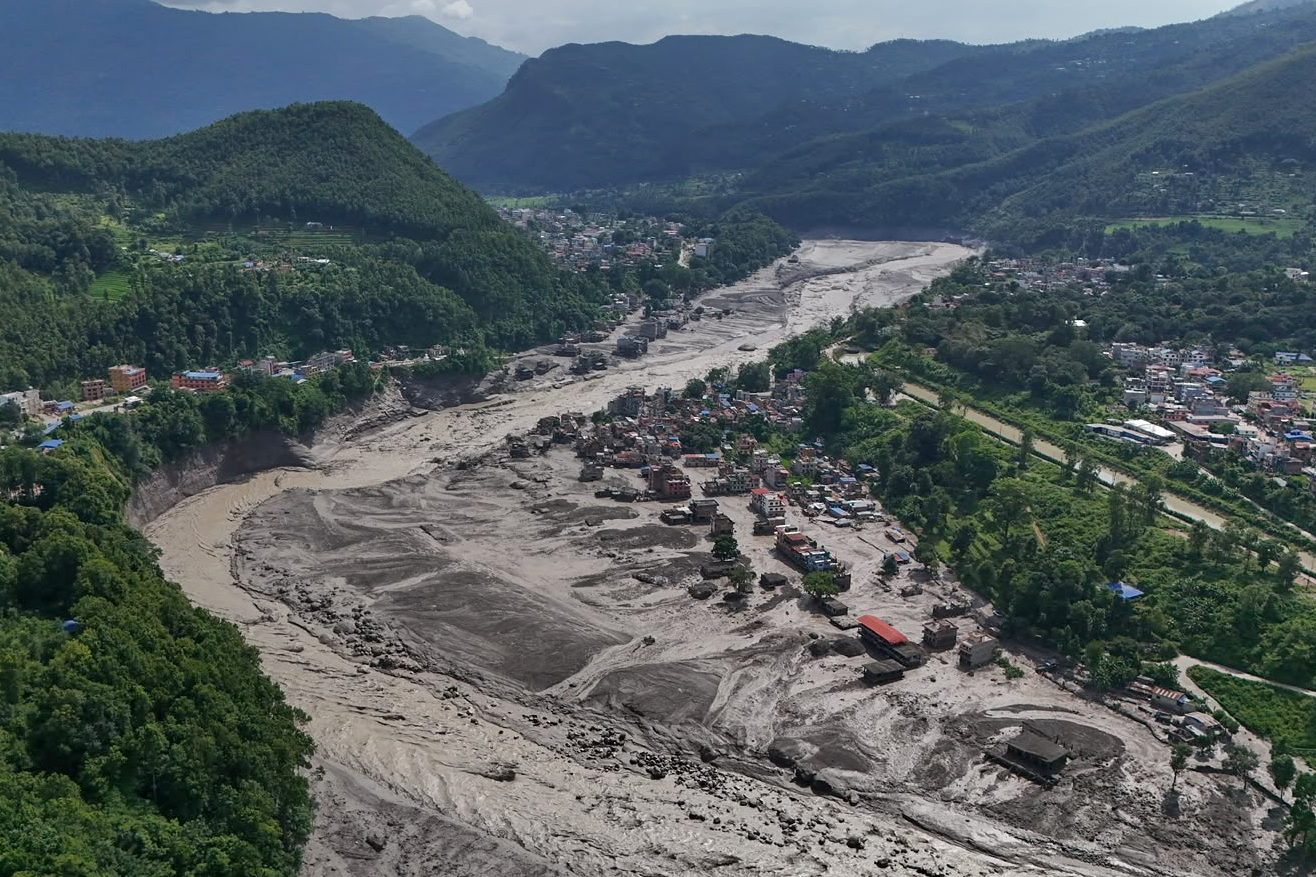
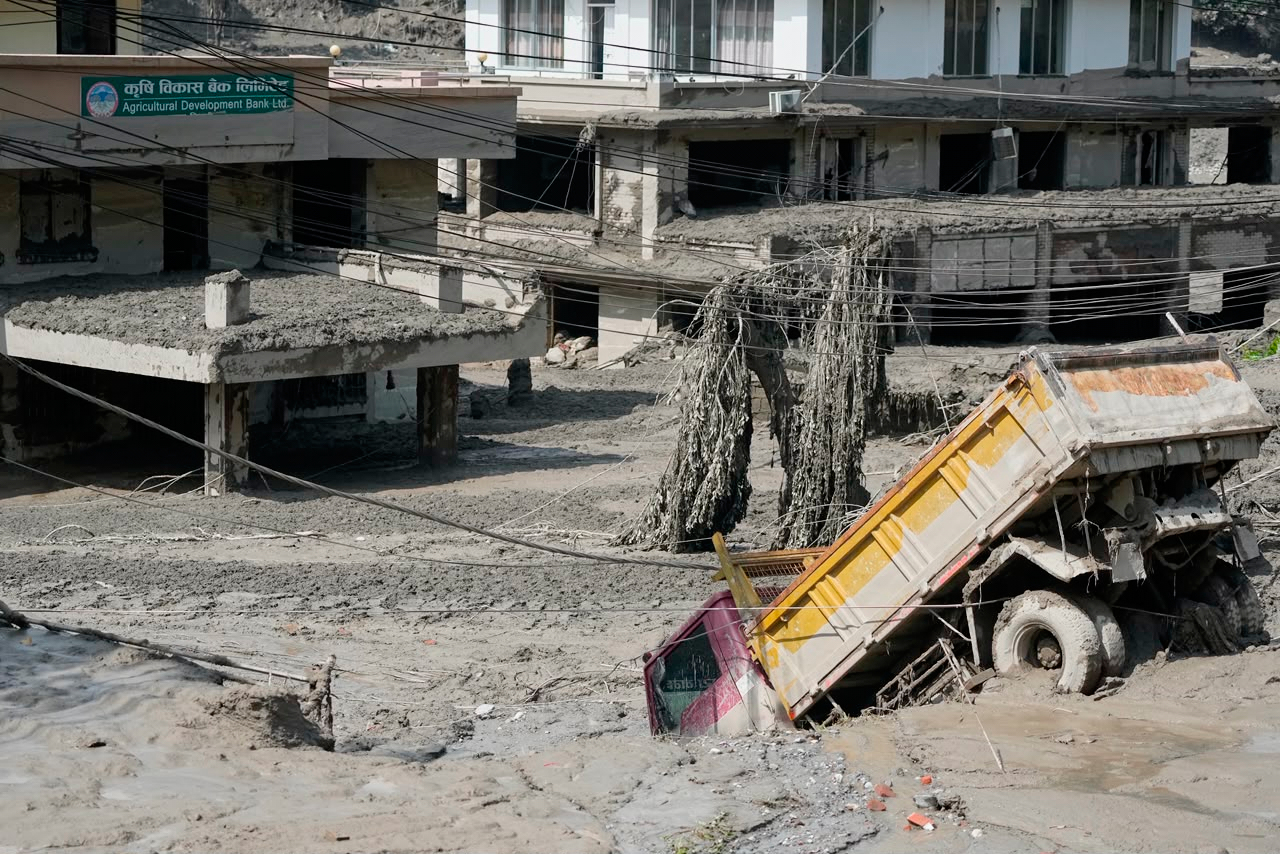
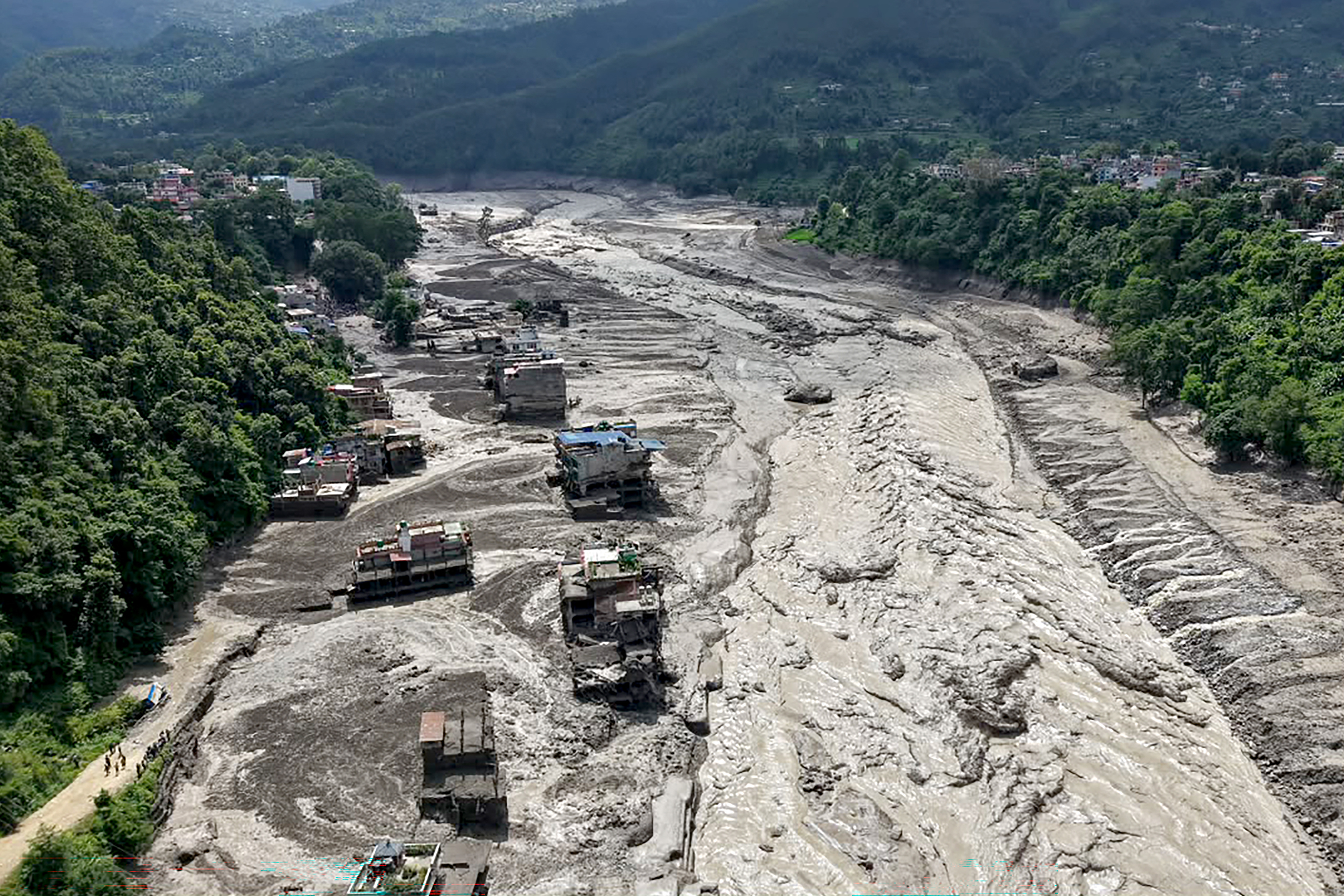
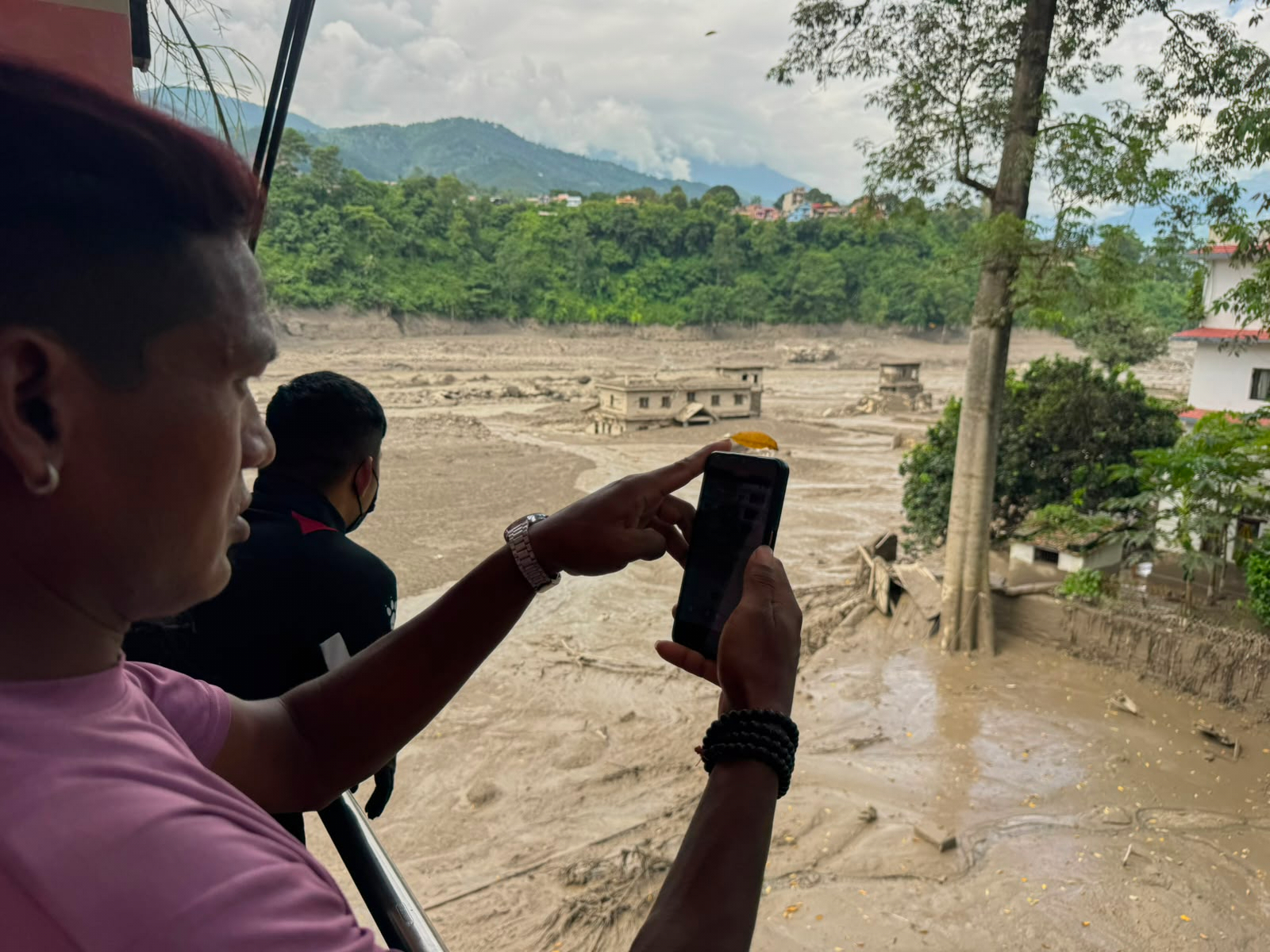
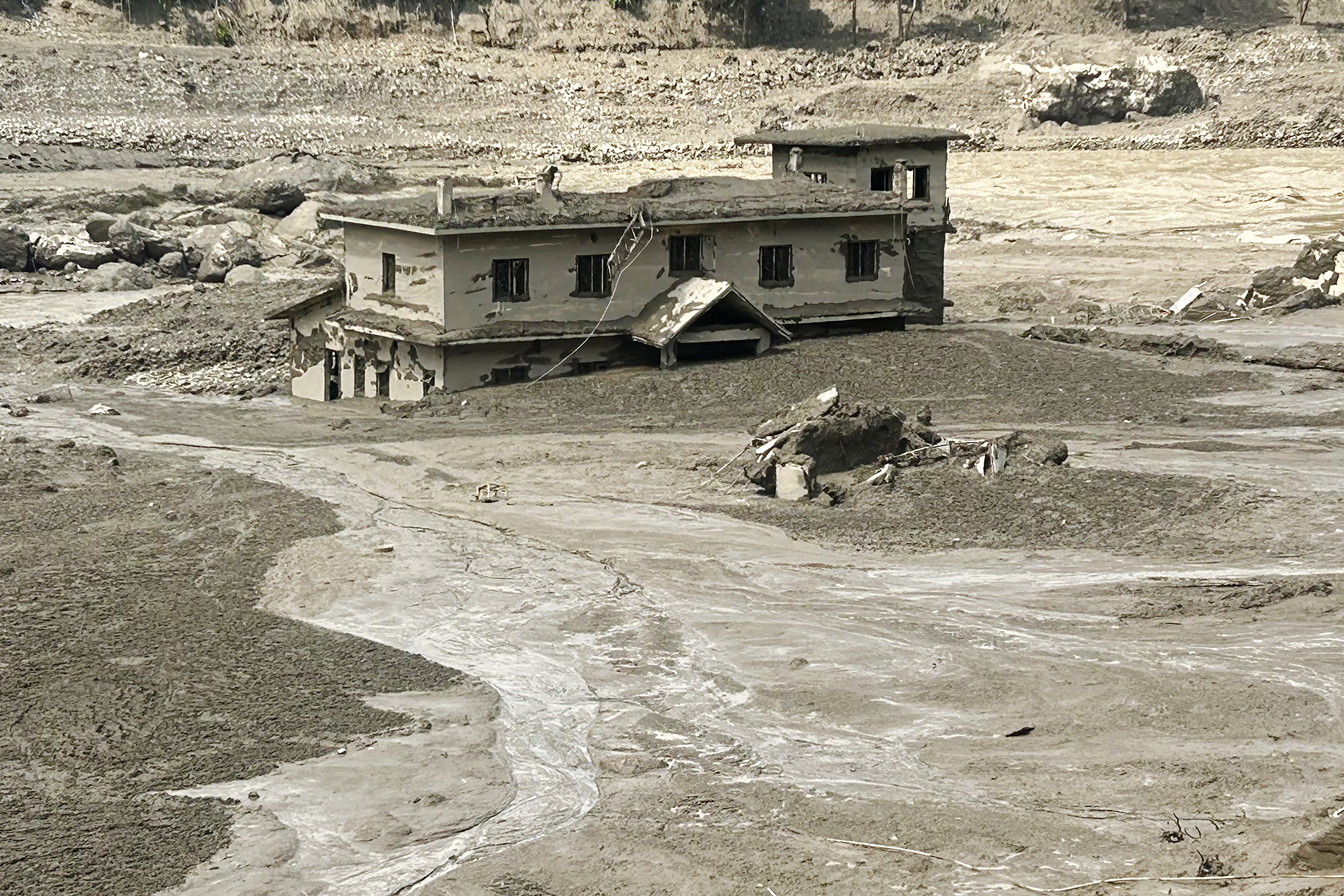
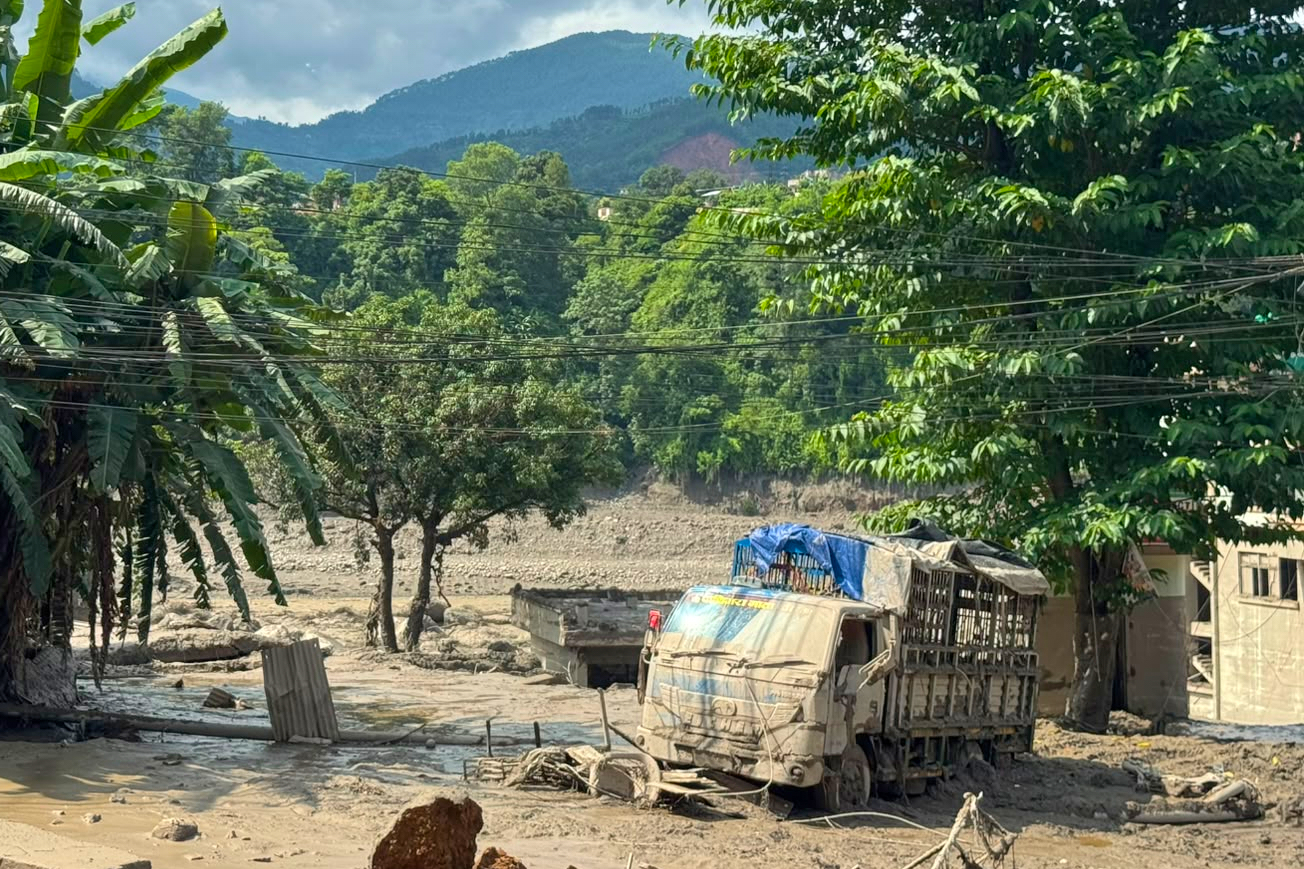
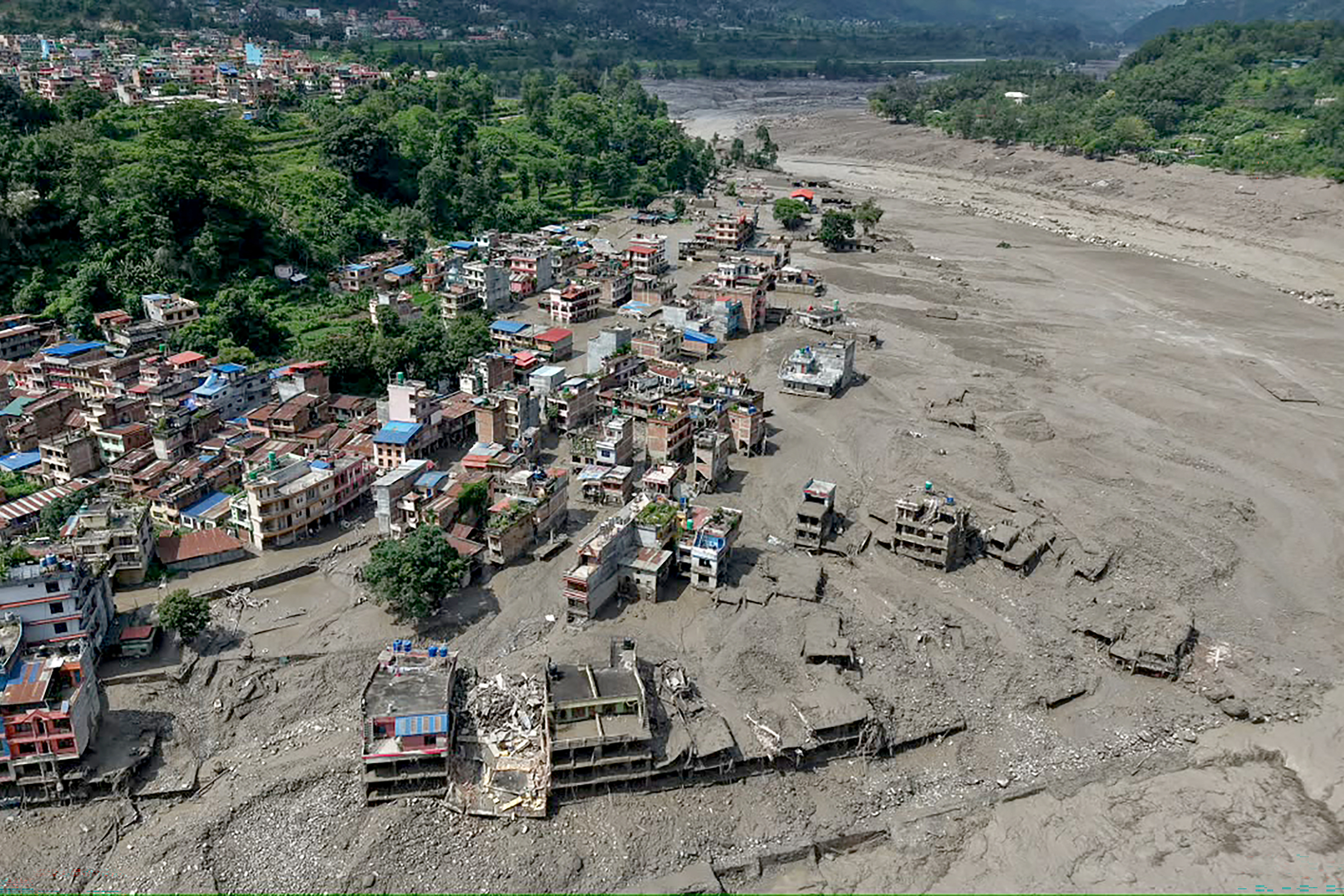
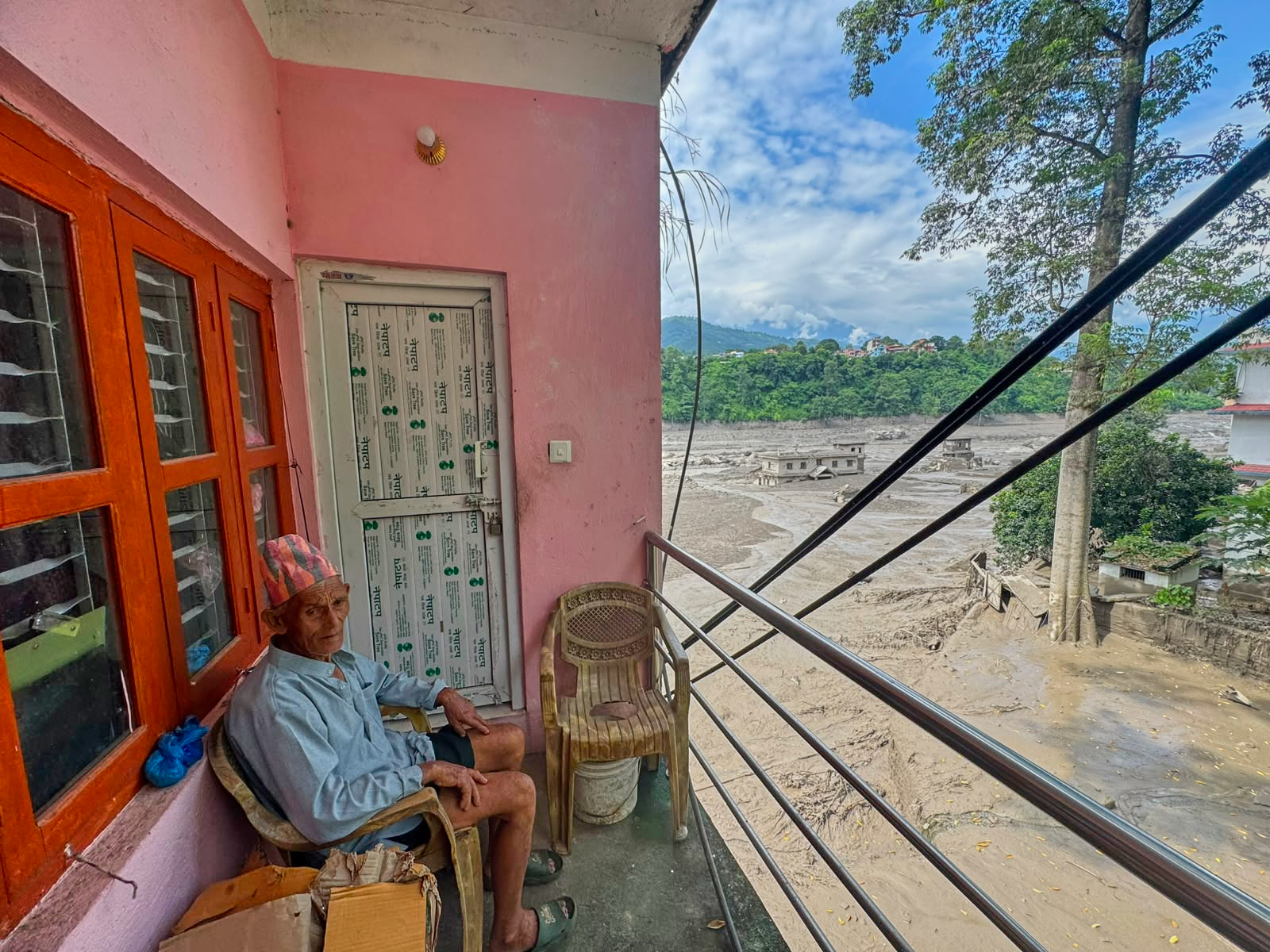
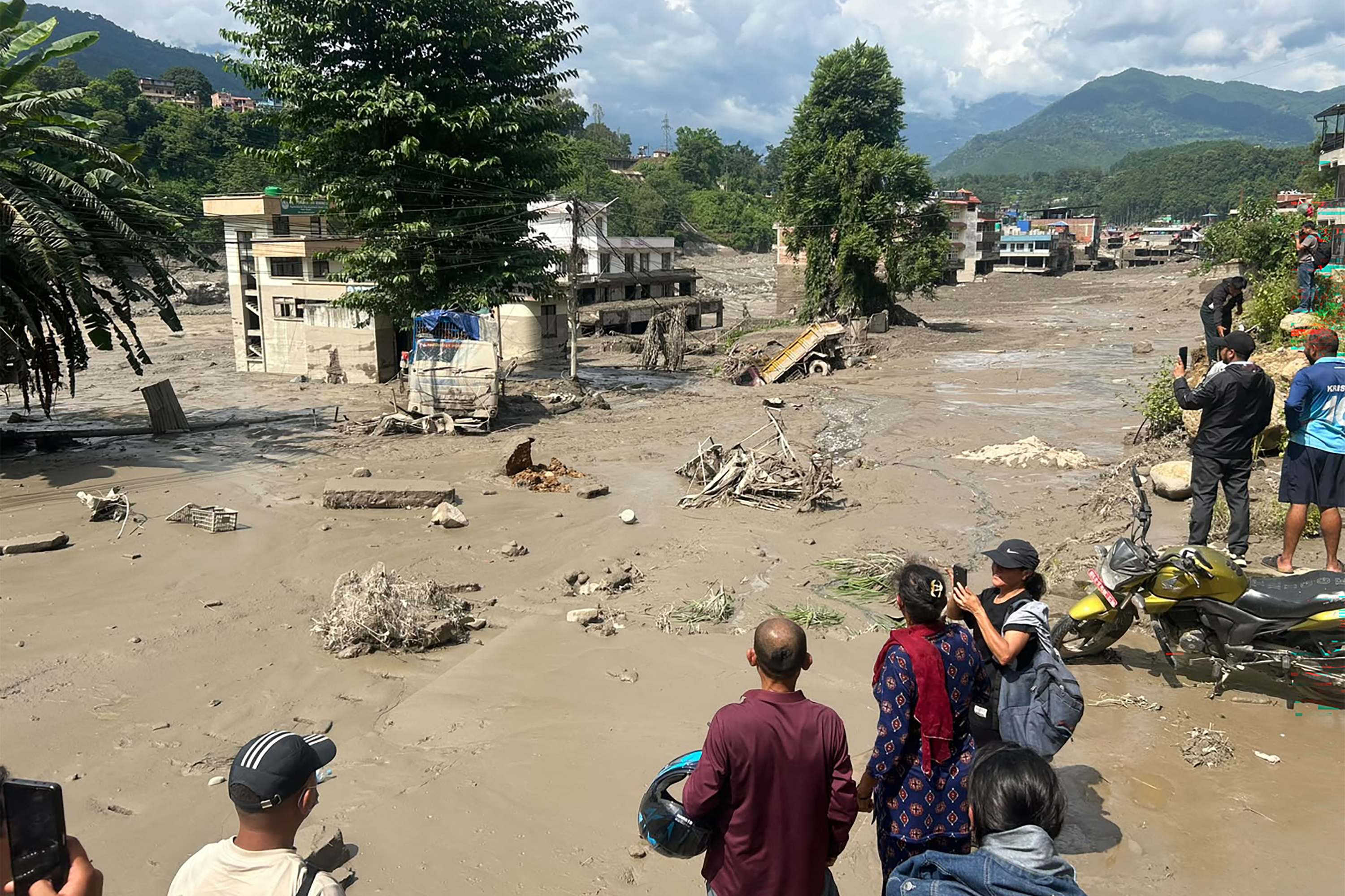

Rescue workers are scrambling to find survivors after flash floods hit Nepal’s border with China’s Tibet region, killing at least 165 people and sweeping away villages and damaging roads, bridges and power projects.
Police in Nepal said late on Wednesday that they had recovered 162 bodies, while authorities in China said at least three people had died in Tibet’s county of Gyirong. Local officials in Gyirong said they feared “major casualties” following the disaster.
Recommended Stories
list of 4 items- list 1 of 4What caused Nepal’s devastating flood damage and how was it contained?
- list 2 of 4After the floods of 2025, can we keep 2026 above water?
- list 3 of 4Landslide hits bus in northern India, killing 15, as rescue continues
- list 4 of 4Rescuers search for survivors amid risk of fresh floods in Afghanistan
Nepal’s Ministry of Culture and Tourism said some 579 tourists – more than 400 of them foreigners – were unaccounted for following the flash floods. The missing foreigners included 142 Indians, 34 Australians, and others from Malaysia, the Netherlands, Portugal, South Africa, South Korea, the United Kingdom and the United States.
Nepalese authorities did not provide a figure for residents in affected areas who are still missing, but police spokesman Abi Narayan Kafle said that 28 police personnel were unaccounted for.
China’s CCTV state broadcaster reported that 558 people were missing in the region, including 260 foreign nationals.
Security footage captured on the Chinese side of the border at the time of the disaster shows a wall of mud and debris crashing over a building several stories high, engulfing it as dozens of people ran for their lives below.
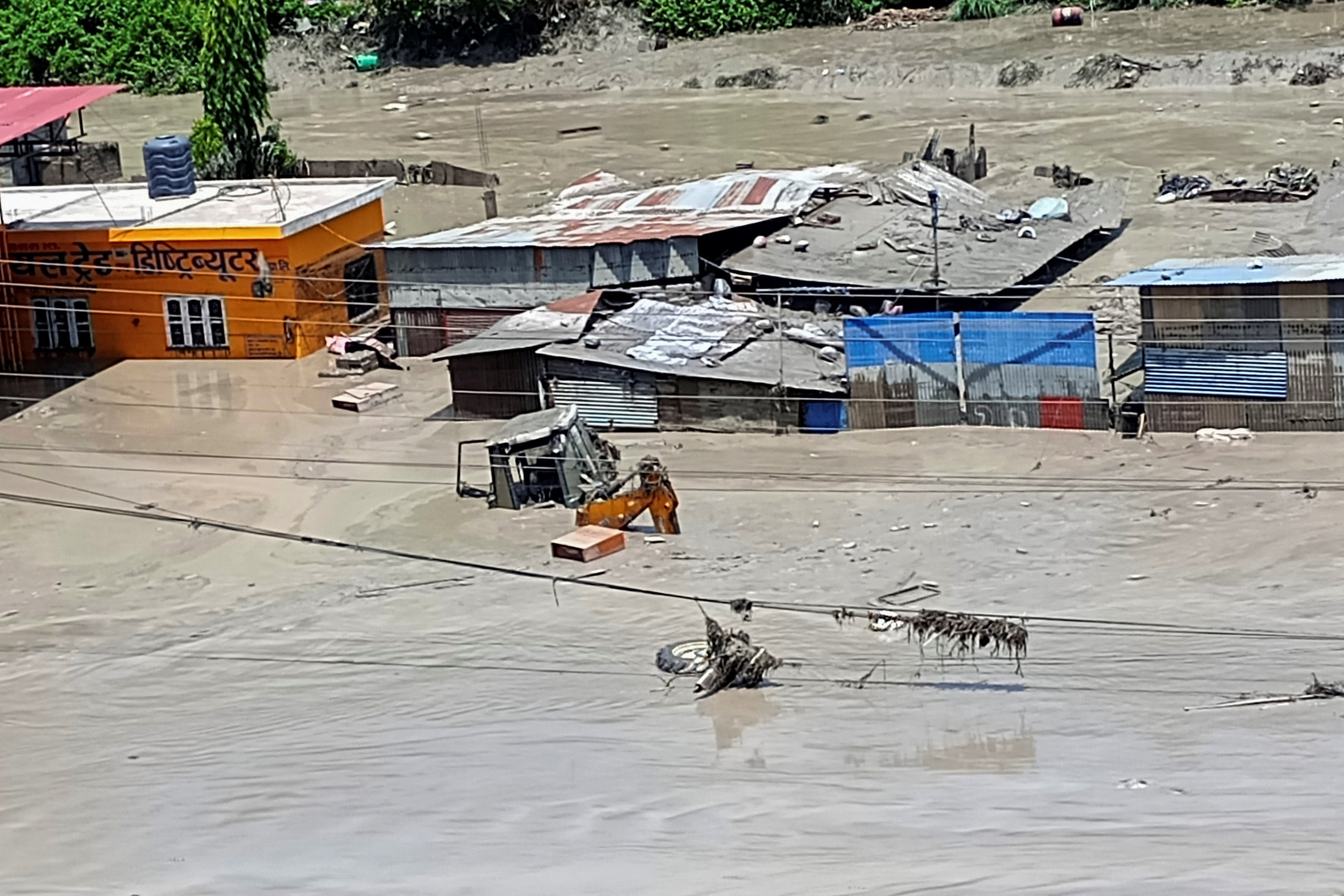
The floodwaters struck villages and towns in the path of two rivers, Bhote Koshi and Trishuli, and television images showed collapsed homes, floating cars, and a metal bridge being washed away.
Prayash Adhikari, a climate justice activist in Nepal, said the “devastating” flood had wiped out “whole villages”.
“Hundreds of people are missing,” Adhikari told Al Jazeera from Kathmandu, saying the waters had wiped out buildings, schools, bridges and highways.
‘Swept away by the mud’
Keshav Prasad Baral, a 68-year-old survivor who is being treated in hospital in Nepal’s Nuwakot district, said his wife is missing in the flood.
“It was a huge gush of mud coming straight towards us. As it got closer, it kept rising higher and higher. When I saw it enter our home, I tried to grab my wife’s hand and take her to the terrace. But she was swept away by the mud,” Baral told the Reuters news agency.
“Four or five hours later, a helicopter came to rescue me. My wife is still somewhere beneath the mud. She’s gone.”
Many people were caught off-guard when the flash floods hit as there was no heavy rainfall, said Kosh Raj Koirala, an editor of Republica Daily, an English newspaper in Nepal’s capital.
“[People] were at home … several houses have been washed away, swept away by the river,” Koirala told Al Jazeera.
In the hard-hit mountainous district of Rasuwa, which has a population of about 50,000, officials said the floodwaters were too high in the areas of Syapru Besi and Timure for rescue helicopters to land.
District administrator Narendra Pariyar urged those living on the banks of the Bhote Koshi River in the area to seek higher ground, pointing to reports that nearby villages and infrastructure project sites were washed away.
The Nepal Electricity Authority said about 430 megawatts of production capacity, including from hydropower and solar facilities, has been damaged. “The disaster has damaged the production, transmission and distribution facilities of the Authority … resulting in disruption of electricity supply,” it said.
In neighbouring India, an official announced that Bihar state had begun evacuating people from six districts as they feared the floods would reach those areas.
‘All-out’ rescue efforts
Nepalese Prime Minister Balendra Shah called for unity and patience.
“The government takes full responsibility for your rescue, treatment, food and shelter. In times of such a disaster, we all need to stand together,” Shah said in a statement shared on social media.
He convened an emergency meeting of the National Disaster Risk Reduction and Management Authority and said that “work has started to take necessary steps in coordination with the medical team, scouts, and Red Cross”.
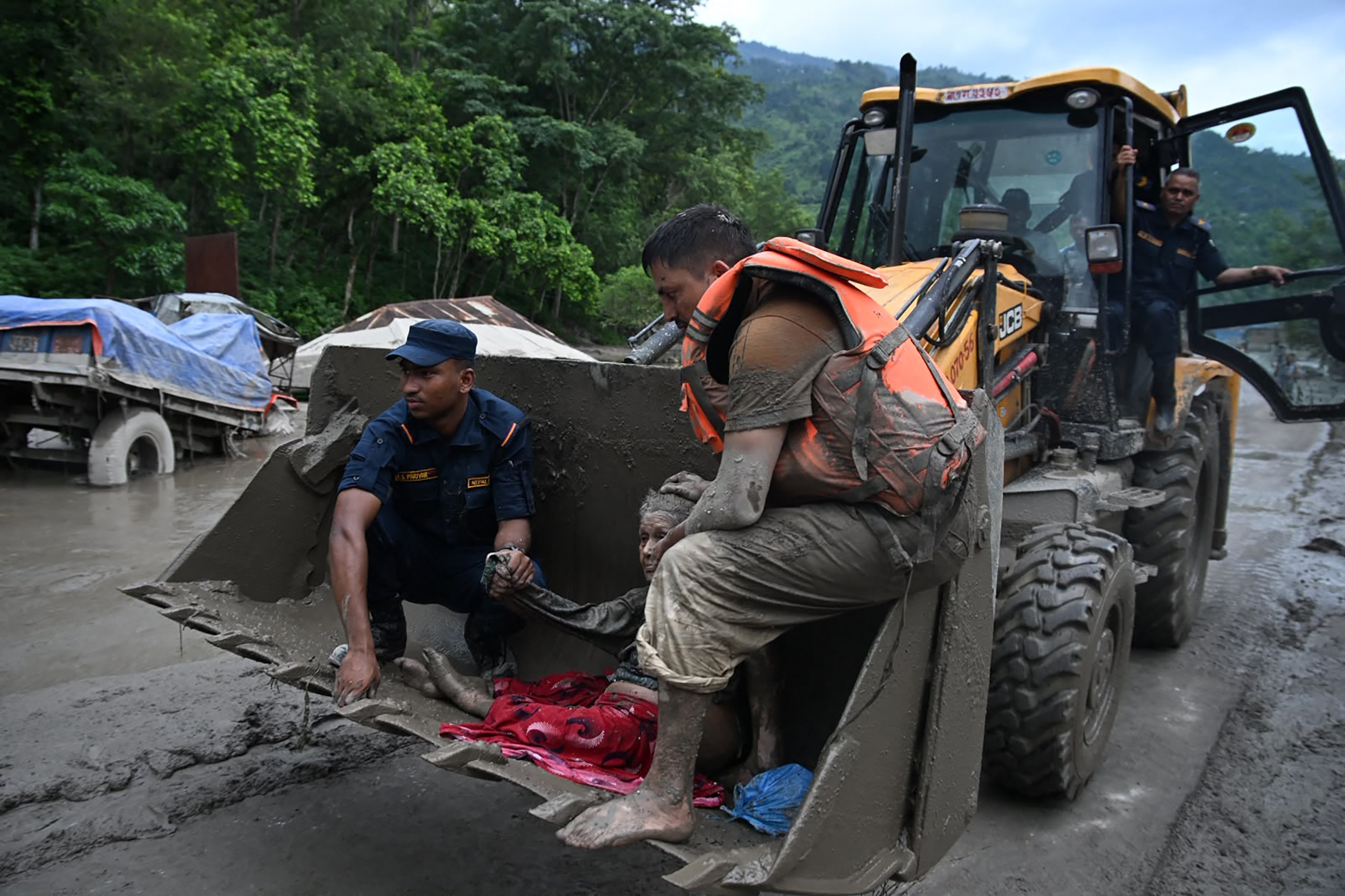
The Nepal Army said it had deployed helicopters and disaster response personnel to the affected area. “The work of collecting details of the damage is under way,” it said in a statement.
In Beijing, Chinese President Xi Jinping urged “all-out” efforts to search for the missing, and called for strengthening monitoring and early warning systems to prevent secondary disasters. The official Xinhua news agency said the mudslide hit China’s Gyirong Port, cutting off roads, communications and power in the Shigatse region.
Al Jazeera’s Katrina Yu, reporting from Hefei City in eastern China, said Nepalese and Chinese officials expect the death toll from the mudslide to rise sharply as rescue teams reach affected areas. Thousands of personnel – including firefighters, police, military and specialist engineering teams with life-detection equipment – have been deployed by both governments, she said, with China also sending military transport planes.
“There are three major difficulties for reaching those who are missing. The first is access – even on a good day, because of the terrain, it takes a very long time to reach these areas, and this mudslide completely destroyed and collapsed several roads, very important bridges – communication have been cut,” Yu said.
“The second is that many of these worst-affected areas are still covered by very deep soft mud. It’s very difficult for heavy machinery to go into those areas safely to retrieve and search for people; and thirdly, the weather. Rain is also forecast for the next few days until Sunday, some of it heavy rain over these low-lying areas, and that is expected to further hamper rescue operations.”
International aid
The US offered its “deepest condolences” to the victims and pledged $500,000 in aid for Nepal for emergency shelter, relief items, water, sanitation and hygiene assistance for communities impacted by the floods.
The United Nations also said it was sending supplies and personnel to support affected Nepali communities.
South Korea – which said eight of its citizens working on a hydropower plant were missing – established a task force led by the foreign minister, and plans to send a joint rapid-response team comprising government officials and fire and police authorities to Nepal as soon as possible.
It also said that 10 other workers employed by two companies, Korea Energy and Doosan Enerbility Co, were stranded, adding that Nepal has deployed a rescue team to search the affected area.
The exact cause of the flash flood was not immediately clear.
Climate experts at the International Centre for Integrated Mountain Development in Nepal say an avalanche from a glacier likely triggered the flooding.
The Lhende Khola River, a tributary of the Bhote Koshi River, witnessed maximum flooding on Wednesday, they said.
“The Lhende Khola has flooded twice in 14 months, this time triggered by an ice-rock avalanche from a glacier on the Nepal side that blocked the river and released a sudden surge downstream,” said Saswata Sanyal, a disaster risk reduction specialist at the climate research group.
The US Geological Survey initially said it recorded a magnitude 4.4 earthquake at the time of the disaster, but later said it was seismic energy generated by the glacial rock and ice collapsing and the flow of debris.
The Bhote Koshi River originates in Tibet and empties into Nepal’s Trishuli River, which eventually flows into India as the Gandak River.
A flood last year in the Bhote Koshi River killed nine people, with 24 missing, and washed away the “Friendship Bridge” linking Nepal and China, disrupting transport and trade for several months. That flood was triggered by the draining of a supraglacial lake in Tibet, a regional climate monitor said.
Monsoon rains from June to September regularly trigger deadly floods and landslides across South Asia.
Scientists say climate change is increasing the frequency and intensity of extreme weather events in the region.
