Ukrainian ex-officer goes on trial in Germany over Nord Stream blasts
The trial is expected to run into February and could test Germany’s political stance on Ukraine.
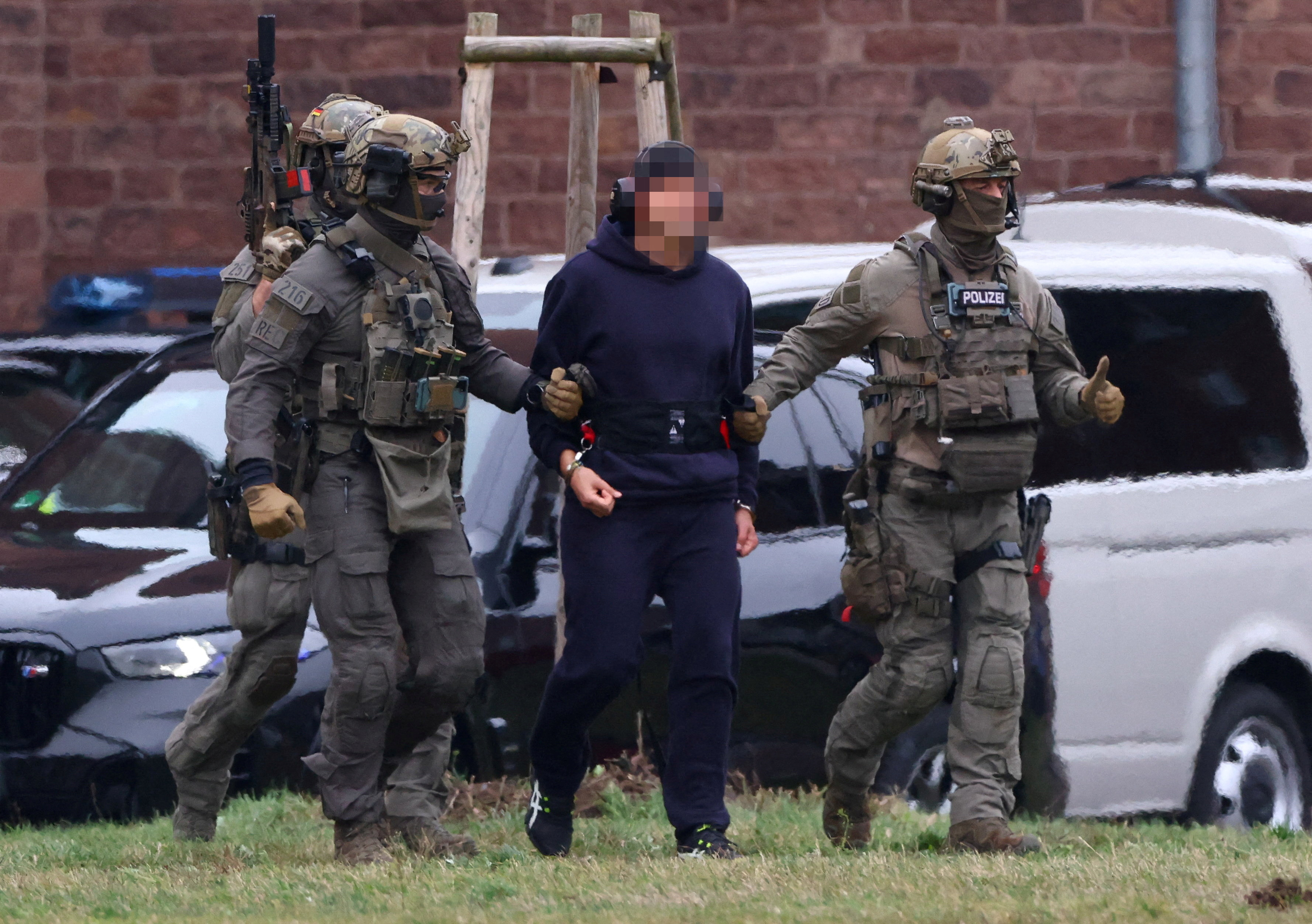
A Ukrainian former military officer is standing trial in Germany, accused of organising the secret operation that blew up the Nord Stream gas pipelines in 2022 and cut Western Europe off from its biggest source of Russian natural gas.
The trial opened on Wednesday at the Hamburg Higher Regional Court and is expected to run into February next year.
Recommended Stories
list of 3 items- list 1 of 3German prosecutors charge Ukrainian suspect over Nord Stream explosions
- list 2 of 3Why the world should care about the far right’s rise in Germany
- list 3 of 3Ukrainian suspect, a ‘trained scuba diver’, arrested over Nord Stream blast
It is the first public hearing of the evidence in a years-long investigation.
The defendant, a 50-year-old identified under German privacy rules only as Serhii K., is accused of leading a group of Ukrainian agents – including divers and an explosives expert – in one of the biggest infrastructure sabotage operations of modern times.
He denies any involvement and is the only person on trial.
Reporting from the German city of Hamburg, Al Jazeera’s Dominic Kane said the case is tied to the broader geopolitics of Europe.
“Germany was dependent to a large extent on Russian gas for all sorts of energy uses. It clearly isn’t using Russian gas anymore,” said Kane.
The prosecution
Serhii K. was arrested in Italy in August 2025 and extradited to Germany that November.
Prosecutors accused him of working with other members of the military to plan the operation on behalf of unidentified Ukrainian state entities.
They allege he travelled to Germany through Poland on a forged Ukrainian passport about three weeks before the attack.
They say the group used a sailboat hired in the northern city of Rostock to reach an area near the Danish island of Bornholm, where they attached military-grade explosives with timers to the pipelines on the seabed.
German prosecutors say attacking civilian targets and destroying infrastructure in this way would amount to a war crime.
Joachim Weber, senior fellow for strategic foresight and risk analysis at the University of Bonn, told Al Jazeera that the case has put the German government in a difficult position because it supports Ukraine in its fight against Russia, including with over 100 billion euros ($112bn) in aid.
“The (German) government is not very happy, probably, that this court case is in court now. It took four years,” Weber said.
“German governments have not really commented on this case. Why? Because it’s politically difficult for them,” added Kane.
The blasts and the fallout
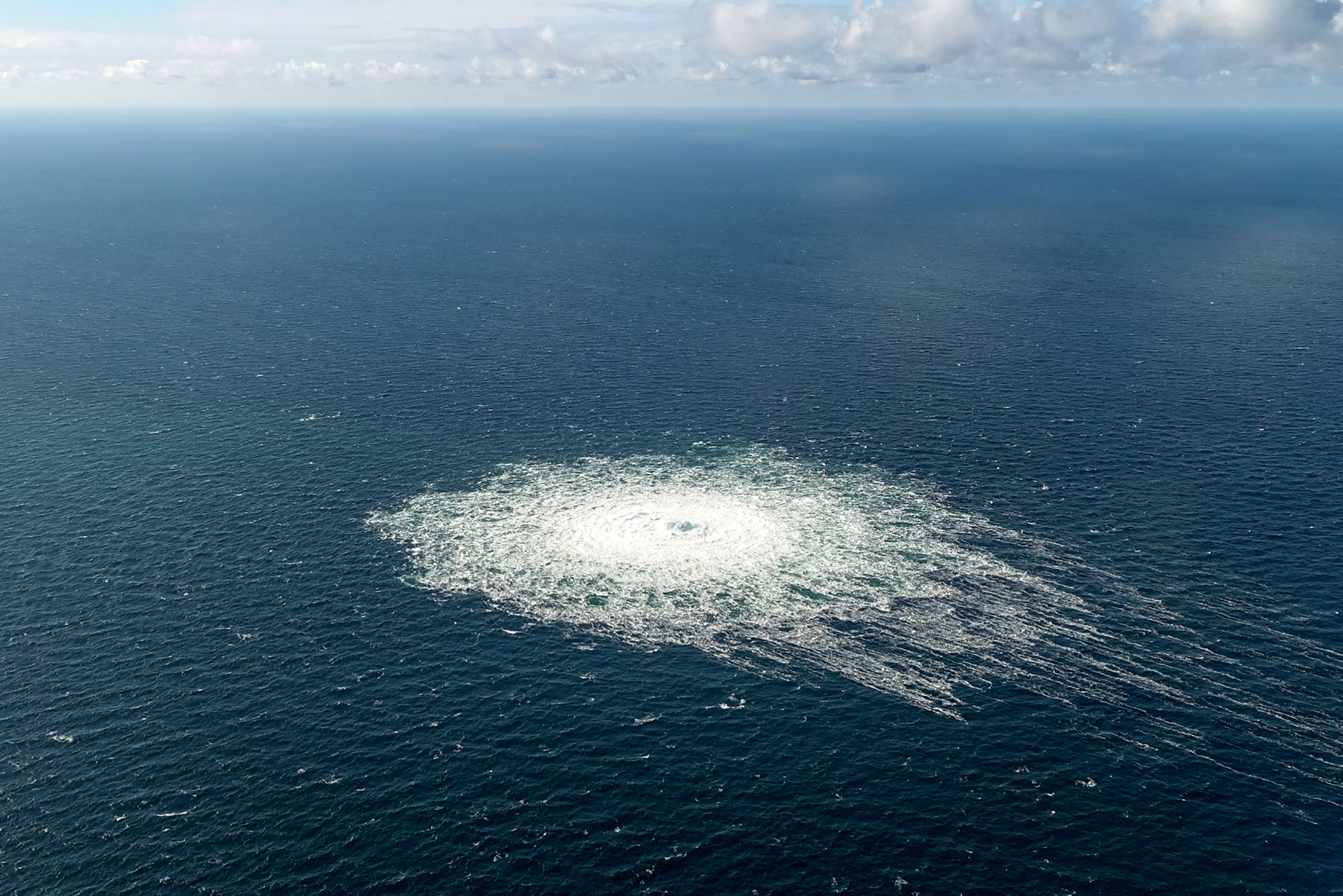
On September 26, 2022, Swedish seismologists detected several blasts, some 17 hours apart.
Three of the four concrete-coated steel pipelines ruptured, sending huge plumes of methane into the atmosphere.
Nord Stream 1 had supplied about half of Germany’s natural gas imports. Its twin, Nord Stream 2, was built but never opened, after Berlin cancelled approval shortly before Russia invaded Ukraine.
Moscow denied blowing up its own pipelines and had already cut supplies in response to European sanctions.
Ukraine’s government denies involvement.
Russia said on Monday it expected a “just verdict” naming the perpetrators and those who ordered the operation.
Another suspect, Vladimir Z., a trained scuba diver who prosecutors say was one of the divers on the team, was arrested in Croatia in August.
Last month, a Croatian court approved handing over the wanted man to Germany.
The Nord Stream case has strained ties between Berlin and Kyiv, even as Germany remains one of Ukraine’s strongest backers, with Russia and Ukraine still trading strikes.
